
The Journal · Wellness
Scalp Health, Shedding
& Longevity.
Your wig routine should protect the hair underneath.
Words by Kiyah Wright · Founder, MUZE
Chapter I — The Foundation
A unit is a garment. The scalp is the body wearing it.
Protective styling only earns the name if the hair comes out of it healthier than it went in. Everything I have learned in thirty years behind the chair points to the same place — not the length, not the lace, but the two inches of skin nobody photographs.
Scalp study · Studio
The Longevity Issue
The Feature
I have watched a generation of women fall in love with wigs, and I understand exactly why. A unit gives you your mornings back. It lets you change your mind about who you are on a Tuesday. It carries you through chemotherapy, through postpartum, through a schedule that does not allow for a wash day. I will never argue against it.
What I will argue with is the idea that a wig is a place to hide the hair rather than a place to protect it. Because the hair underneath keeps living. It keeps shedding on its own schedule, keeps oxidizing product, keeps holding tension you stopped noticing after week two. If nobody is checking on it, six months later you are not wearing a wig by preference. You are wearing it because you have to.
Shedding, first, because it frightens people unnecessarily. Losing fifty to a hundred strands a day is the hair cycle functioning correctly. When you wear a unit for a week, the strands that would have released each day are still braided in — so takedown day looks catastrophic when it is really just arithmetic. What deserves alarm is different: shedding that arrives suddenly and evenly across the whole head, or loss concentrated at the temples and nape. The first is usually internal. The second is almost always tension.
Traction is the quiet epidemic in our industry, and it is entirely preventable. Tightness is not security. A properly built foundation and a grip band hold a unit better than any adhesive placed under stress ever will. And takedown is where most damage actually happens — adhesive should be dissolved, patiently, never pulled. I would rather you spend twenty minutes with solvent than four minutes with resolve.
Then there is the scalp itself, which we should treat the way we treat the skin on our faces. It builds up. It needs cleansing at the root, not just at the ends. It needs circulation, water, iron, sleep, and a few days a year in open air. Longevity in hair is not a product — it is a decade of small decisions that were kind to the skin they were made on.
“A wig should be a choice, never a consequence.”
Kiyah Wright
Chapter II — The Protective Protocol
Four rules that keep the hair underneath.
01
Braid down, never pull down
The foundation under a unit should sit flat and comfortable. If you can feel the cornrows in your temples an hour after install, the install is already costing you hair.
02
The scalp is skin
It sweats, it builds product, it needs to breathe. Cleanse the scalp itself weekly — not just the hair — and treat flaking as information rather than an inconvenience.
03
Give the hairline a season off
Rotate placement. Move the part. Take a bare week between long installs. Edges do not thin from wearing wigs; they thin from wearing them the same way for years.
04
Remove with solvent, not patience
Adhesive should be dissolved, never pulled. Ninety percent of the shedding I see at the perimeter happened in the four minutes it took someone to rush a takedown.
Chapter III — Reading the Shed
Not all shedding means the same thing.

- 50–100
- Strands a day is normal shedding. It is the hair cycle doing its job.
- Sudden & even
- Diffuse shedding across the whole head usually points inward: stress, iron, thyroid, postpartum, medication.
- Edges only
- Localized loss at the temples and nape is almost always tension — traction, not genetics.
- In clumps
- With tenderness, bumps, or burning: stop styling and see a dermatologist. Scarring alopecia does not wait.
Editorial guidance · Not medical advice
The Longevity Portfolio
Chapter IV — The Ritual
Three things that make the routine kind.
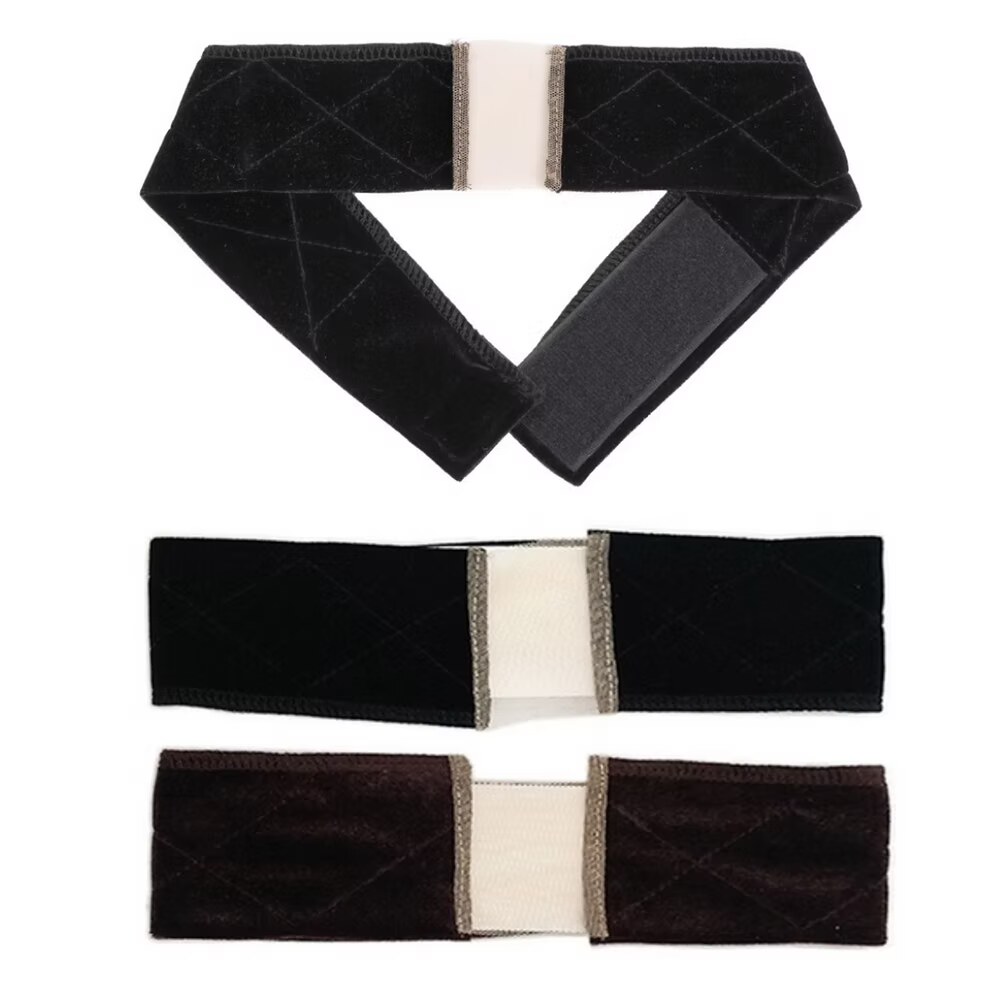
Lace Grip Band
Holds the unit without tension at the hairline — security from the band, not the glue.
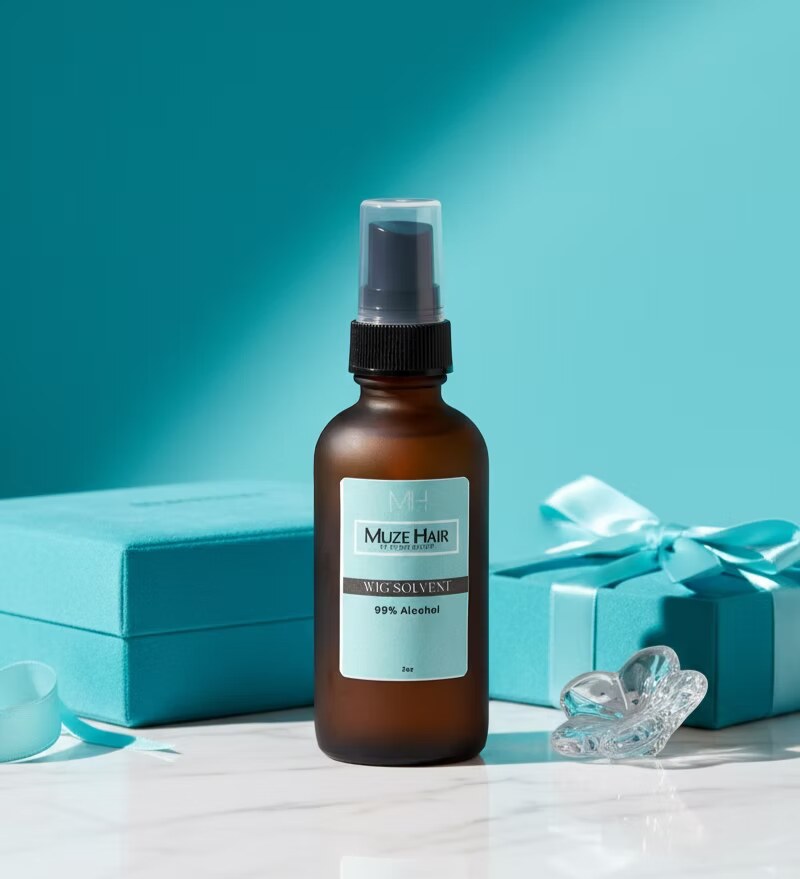
Wig Solvent
Dissolves adhesive fully so takedown is a release, not a pull.
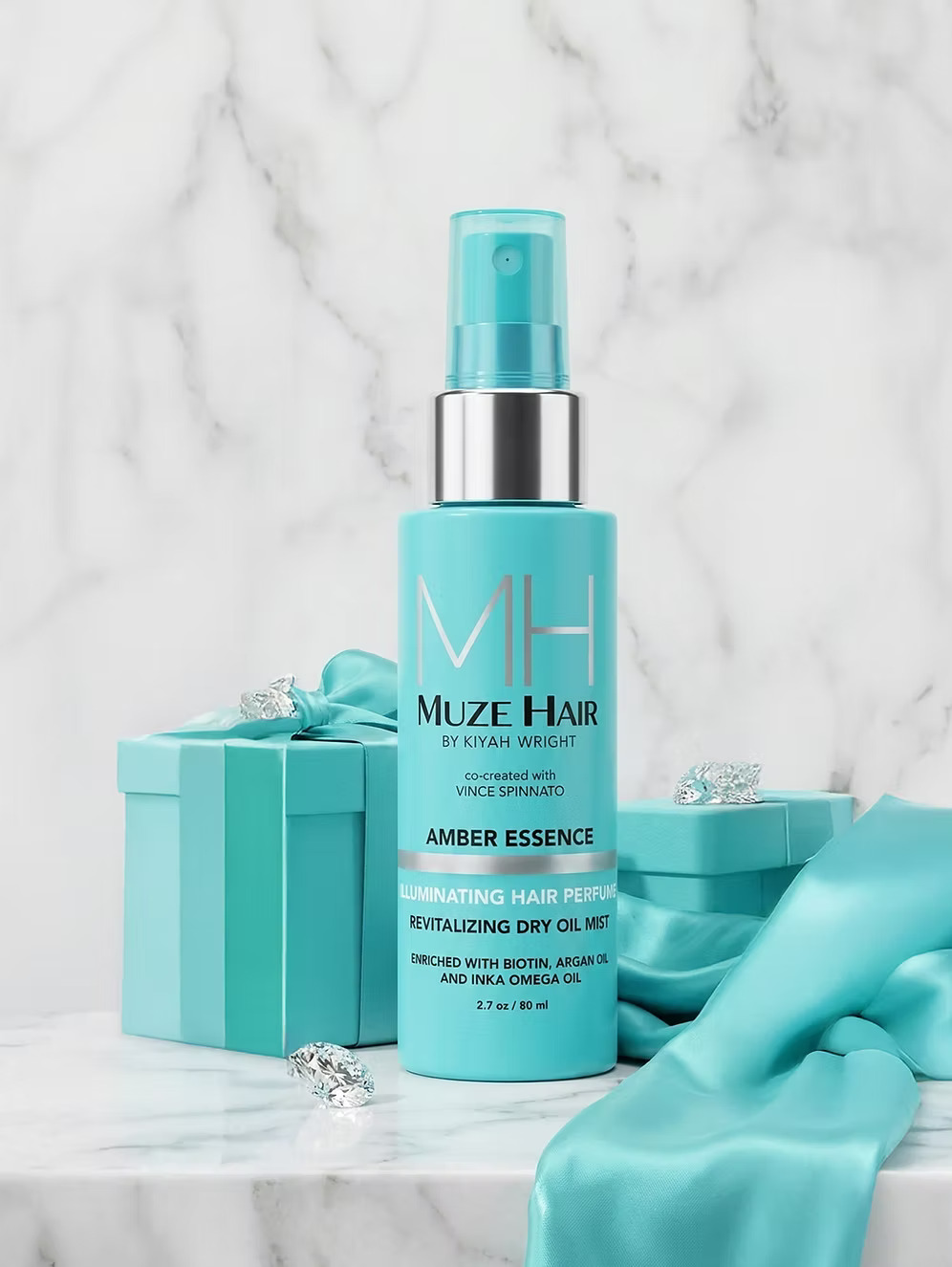
Amber Essence
A weightless finish for the scalp and mid-lengths on rest days between installs.

From the Founder
“I have styled women for the biggest nights of their lives. The ones whose hair still thrives at fifty are not the ones who wore the least — they are the ones who took care of what nobody could see.”
Kiyah Wright · Founder, MUZE

The Last Word
Protect the hair nobody sees.
That is the hair you keep.
The Series
Women of MUZE.
A recurring journal series profiling women whose style, leadership, artistry, and personal stories inspire modern beauty culture — entrepreneurs, artists, executives, tastemakers, cultural leaders, beauty innovators.


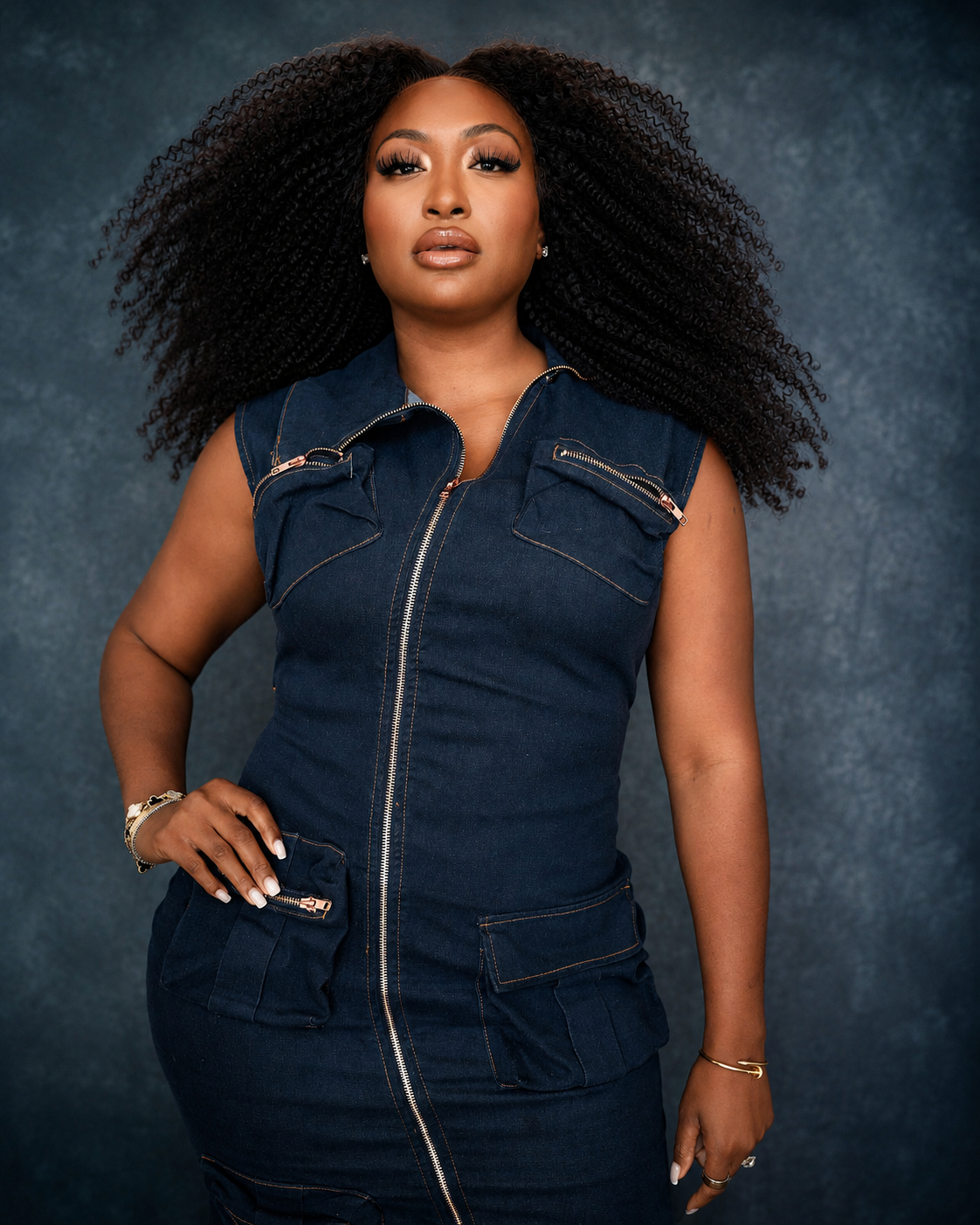


Submissions
Nominate a Woman of MUZE.
Tell us about a woman whose presence has shaped the room you stand in.