

The Journal · The Business Issue
From Stylist
to Founder.
From stylist to Emmy winner to founder.
Words by Kiyah Wright · Founder, MUZE
Chapter I — The Ascent
Nobody hands you a house. You build it, client by client.
There is a story people like to tell about careers like mine — that one moment arrived and everything changed. It is a beautiful story. It is not true. What actually happened was twenty years of showing up early, holding a standard nobody was checking, and turning every room I was allowed into a reason to be invited back.

The founder · At work

The Business Issue
The Feature
I became a business the moment I decided my work had a price and a standard, long before I had a company. That is the part young stylists miss. They think entrepreneurship begins with an LLC and a logo. It begins the day you stop apologising for what you charge and start guaranteeing what you deliver.
For years, my product was me. My hands, my calendar, my taste. It is a beautiful business and a fragile one, because it does not scale and it does not rest. When you are the product, every dollar is tied to a morning you have to survive. I loved it. I also knew it had a ceiling with my name on it.
The Emmy did something specific and worth being honest about: it changed who took my call. It did not change the work. Awards are a credential, not an engine. The engine was still the same discipline it had always been — preparation, precision, and the willingness to do the unglamorous version of the job on a day nobody was watching.
What actually moved me from stylist to founder was frustration. I kept reaching for products that did not exist at the quality my clients deserved. So I made them. That is the least romantic and most reliable origin story in business: you build the thing you needed and could not buy.
Ownership changes the arithmetic of a life. As a stylist, I earned when I worked. As a founder, the work I did in January still earns in November. That is the real difference, and it is worth the years of harder, slower, less glamorous decisions it takes to get there.
My advice, always, is the same. Be excellent at the craft first — there is no shortcut past taste. Then write down how you do it, so it can exist without you in the room. Then own something. Not because ownership is easy, but because it is the only version of this business that outlives your own two hands.
“Being the best in the room is a service. Owning the product is an inheritance.”
Kiyah Wright
Chapter II — The Four Turns
The four moments that made a business.
01
The chair was the business school
Every client was a case study in trust, timing, and delivery. Before there was a brand, there was a standing appointment and a promise kept for the fifteenth time.
02
The award changed the room, not the work
An Emmy opens a door. It does not style the hair, answer the emails, or hold the standard on a fourteen-hour day. The work stayed exactly as demanding as it was before.
03
Ownership is the only real leverage
Being the best in the room is a service. Owning the product is an asset. The move from stylist to founder is the decision to be paid for the thinking, not only the hands.
04
Build the house you wanted to walk into
MUZE exists because the products I needed for my own clients did not exist at the quality I wanted. The brand is the gap, filled properly.
Chapter III — The Rules
What I would tell my younger self.

- Charge for the standard
- Discounting your rate discounts the expectation. Price the outcome, then meet it every single time — reputation compounds faster than any advertising.
- Systems before scale
- A talent business breaks when it grows. Write down how the work is done, then teach it. What is only in your head cannot leave the room with you.
- Keep one foot in the craft
- The founders who lose their taste are the ones who stop touching the work. I still style. It is research, not nostalgia.
- Choose slow ownership
- There is a version of growth that costs you the brand. Take the deal that keeps you at the head of the table, even when it takes longer.
Founder notes · MUZE
The Founder Portfolio
Chapter IV — Made Out of Necessity
Three products that began as problems.
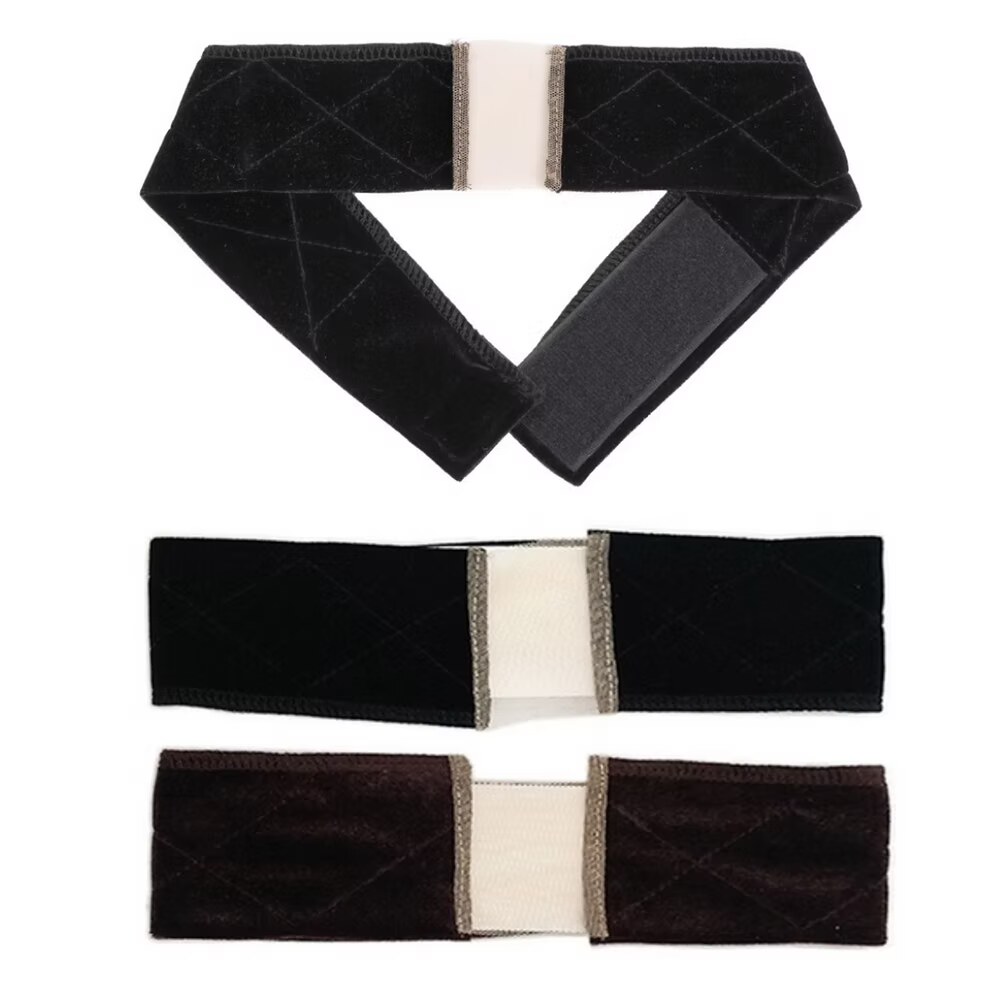
Lace Grip Band
Born on set, out of necessity. The first product I made because the professional answer did not exist yet.
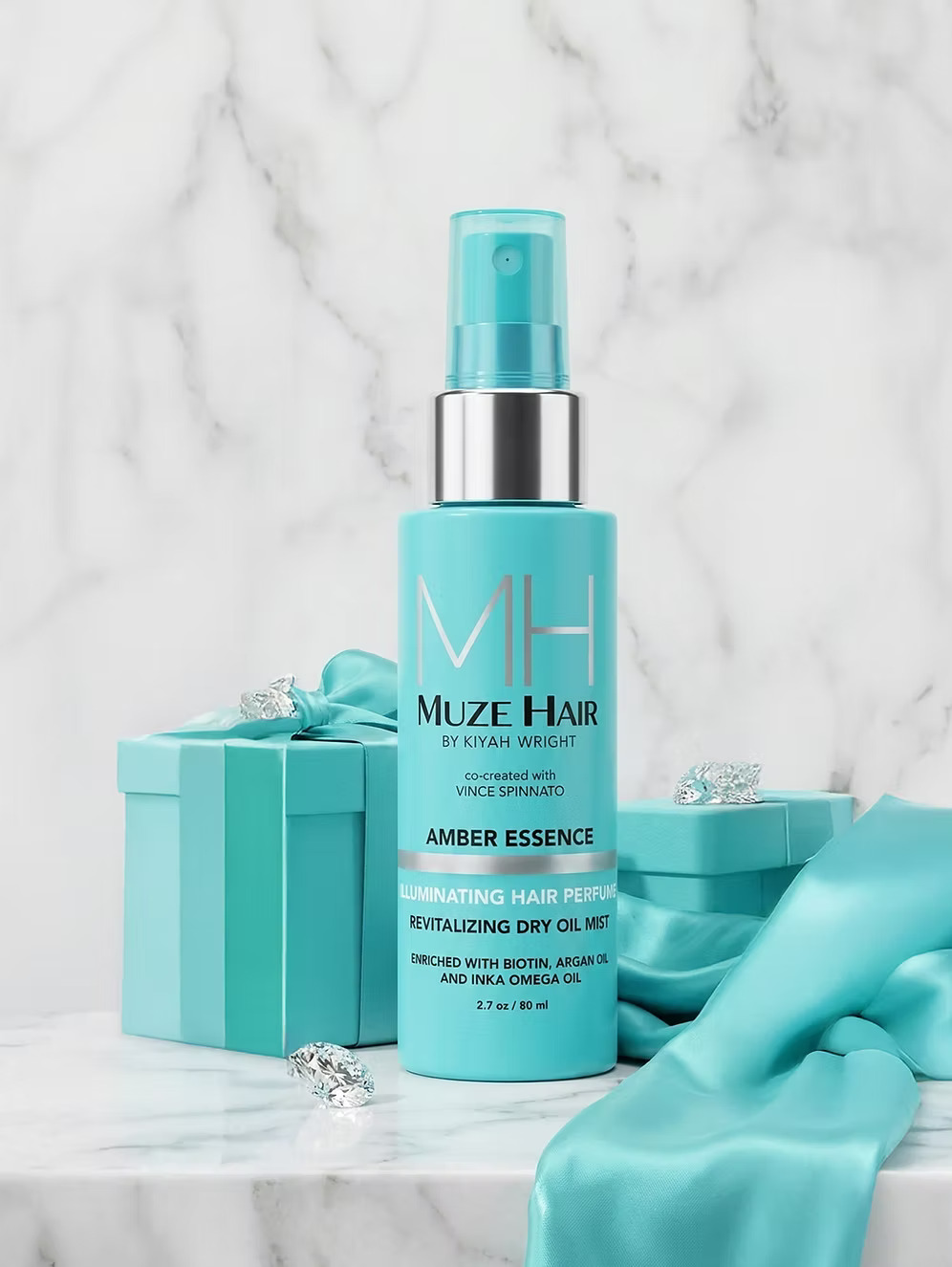
Amber Essence
The finishing gesture — weightless shine, the last five seconds before a woman walks into her own room.
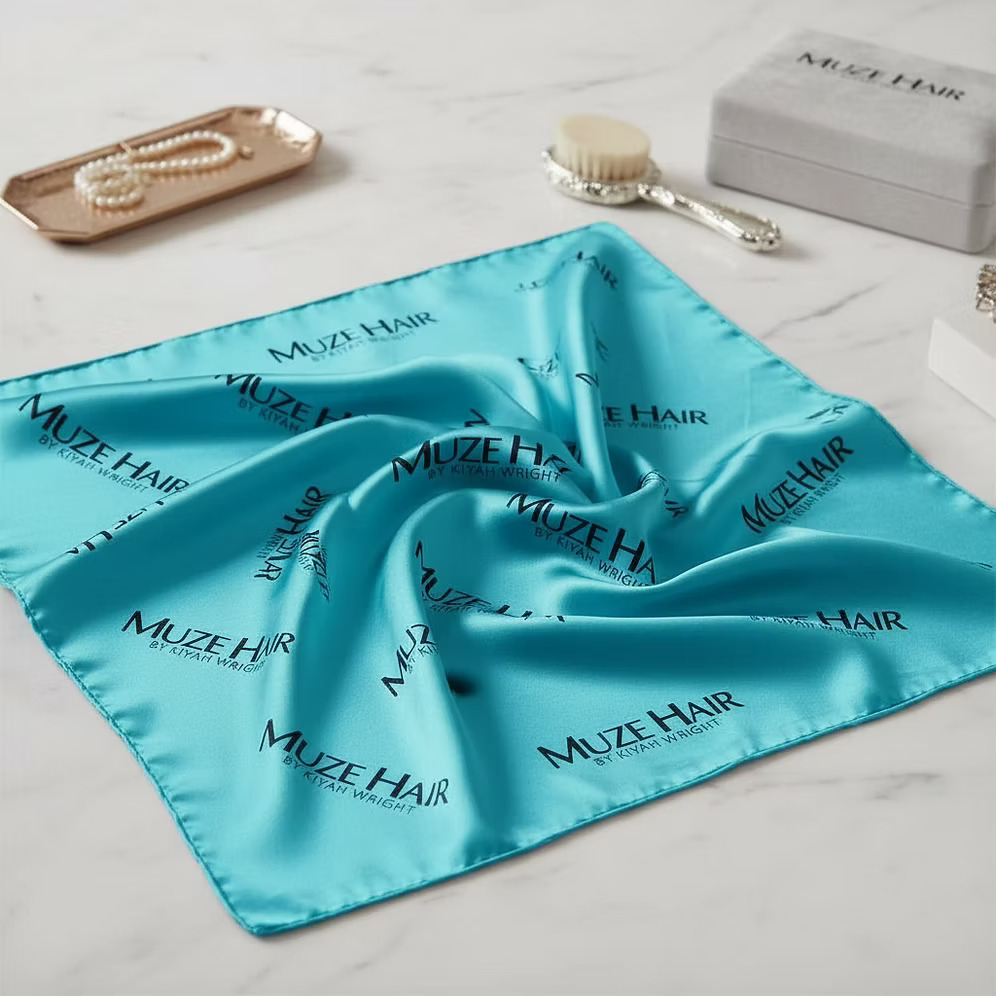
Satin Crown
Longevity, engineered. Protecting the work overnight is what makes the investment worth it.
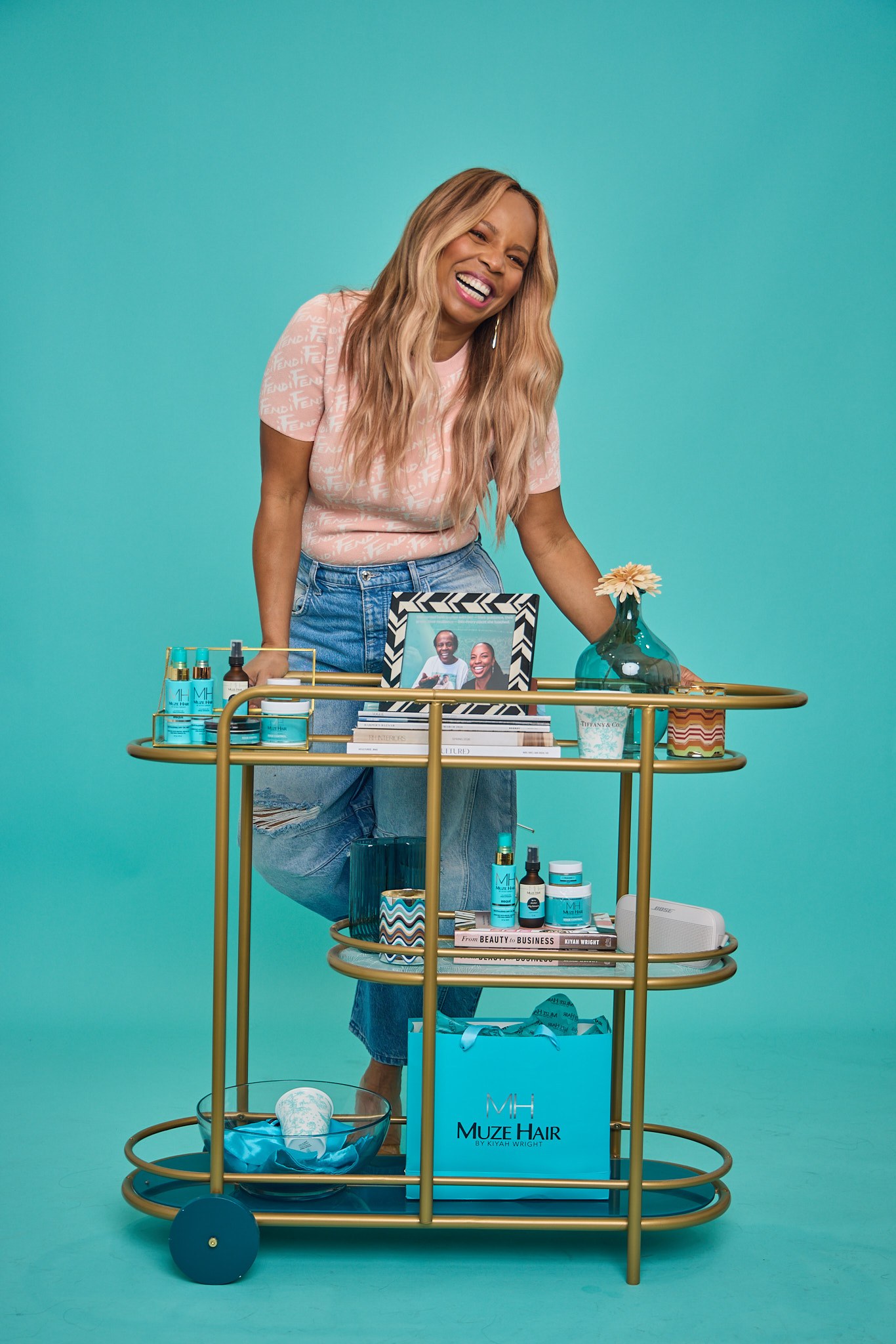
Still life · The house of MUZE

From the Founder
“I did not leave the chair to stop styling. I built a company so the standard I hold in that chair could reach women I will never meet.”
Kiyah Wright · Founder, MUZE

The Series
Women of MUZE.
A recurring journal series profiling women whose style, leadership, artistry, and personal stories inspire modern beauty culture — entrepreneurs, artists, executives, tastemakers, cultural leaders, beauty innovators.





Submissions
Nominate a Woman of MUZE.
Tell us about a woman whose presence has shaped the room you stand in.