The Journal · Hair Rituals
Crown Braids & the
Romantic Resurgence.
The 2026 braid is softer, less perfect, more grown.
Words by Kiyah Wright · Founder, MUZE
Chapter I — The Return
The braid never left. It simply loosened its grip.
For a decade the braid was judged on precision — parts you could measure, edges you could set a ruler against. The braid returning now asks a different question. Not how tight, but how tender.
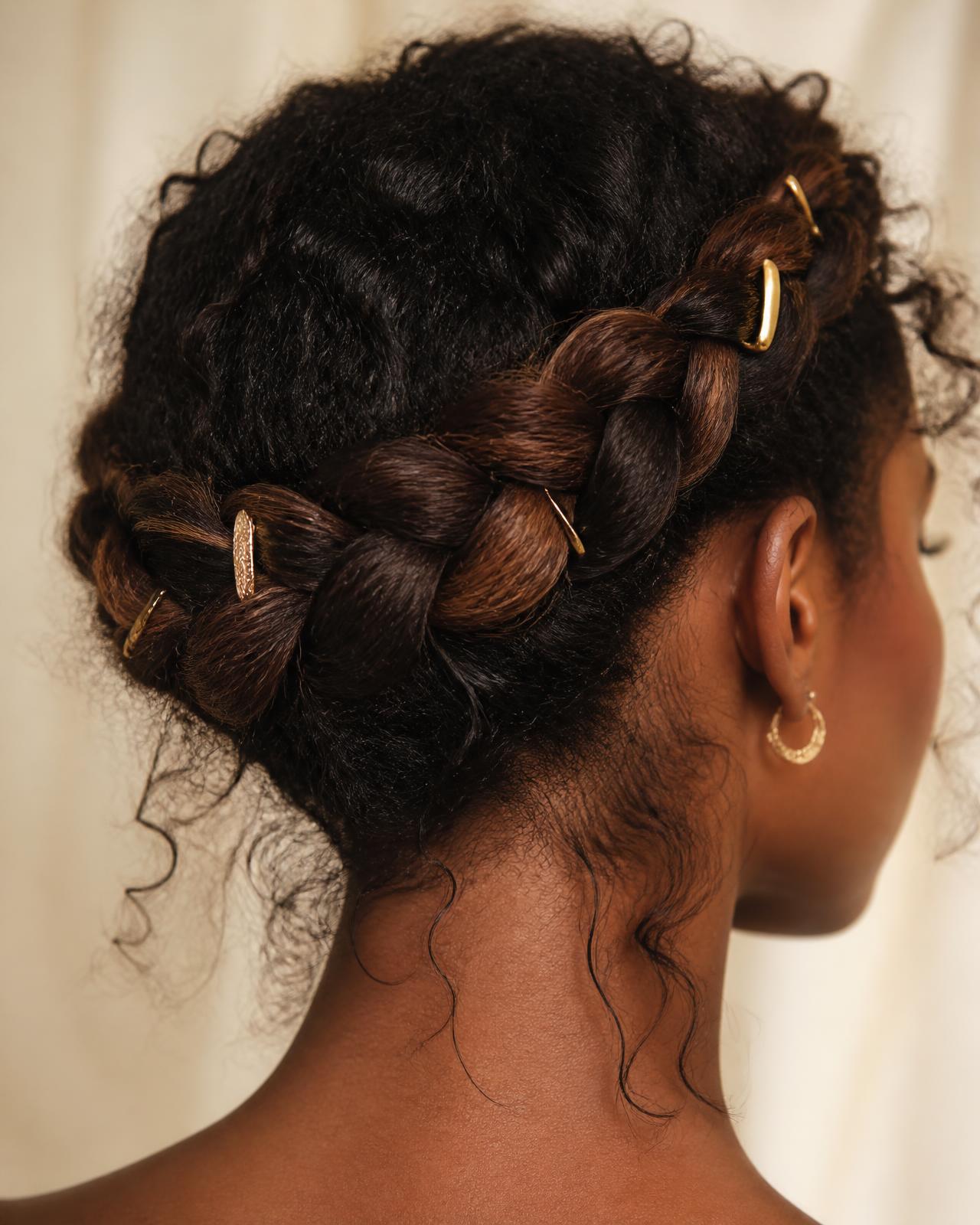
Crown study · Studio
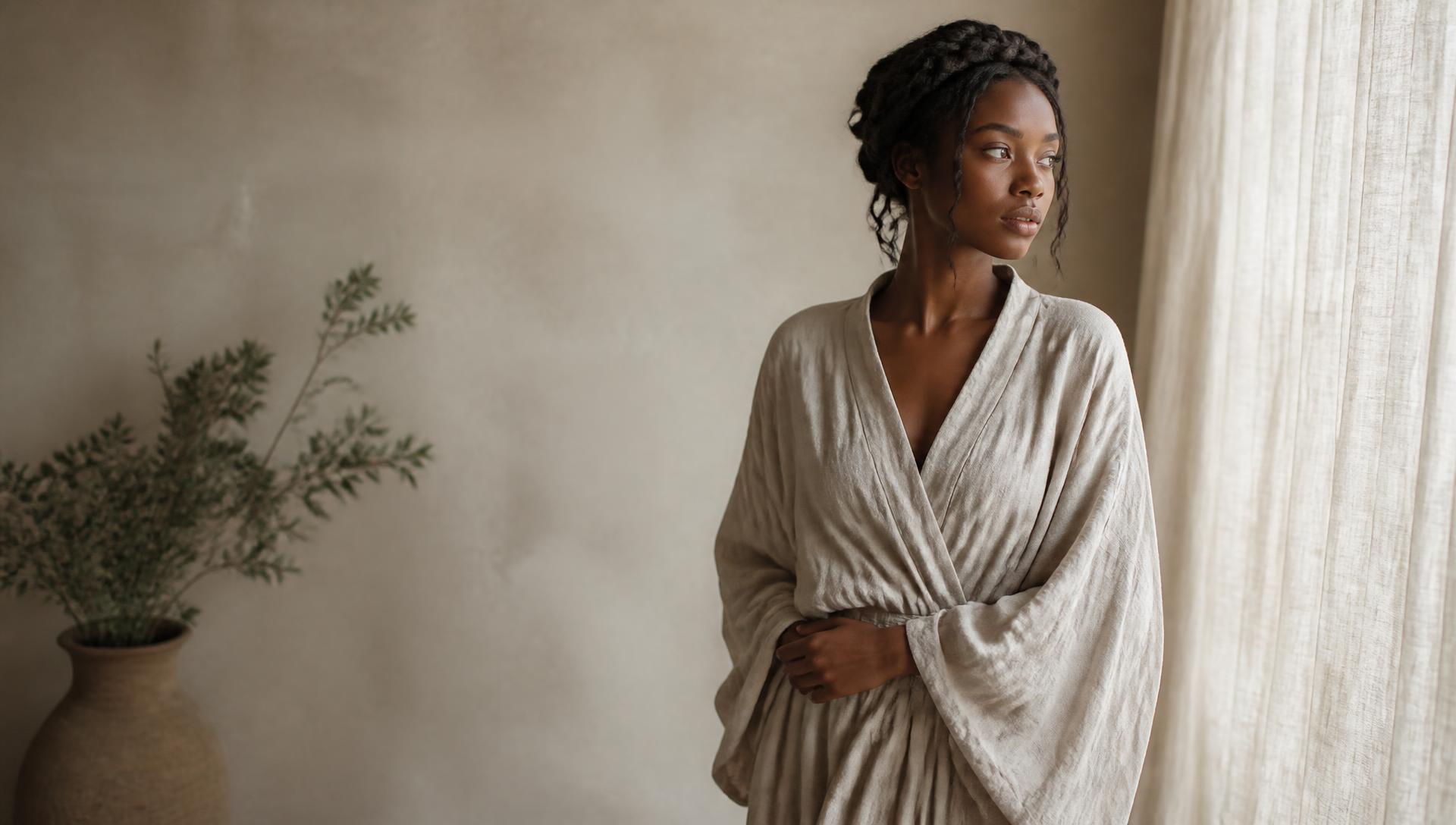
The Braid Issue
The Feature
A crown braid is the oldest luxury in hair. It predates the runway, the campaign, the algorithm. It is what women did with their hands when they had time and each other. What is happening in 2026 is not an invention — it is a remembering.
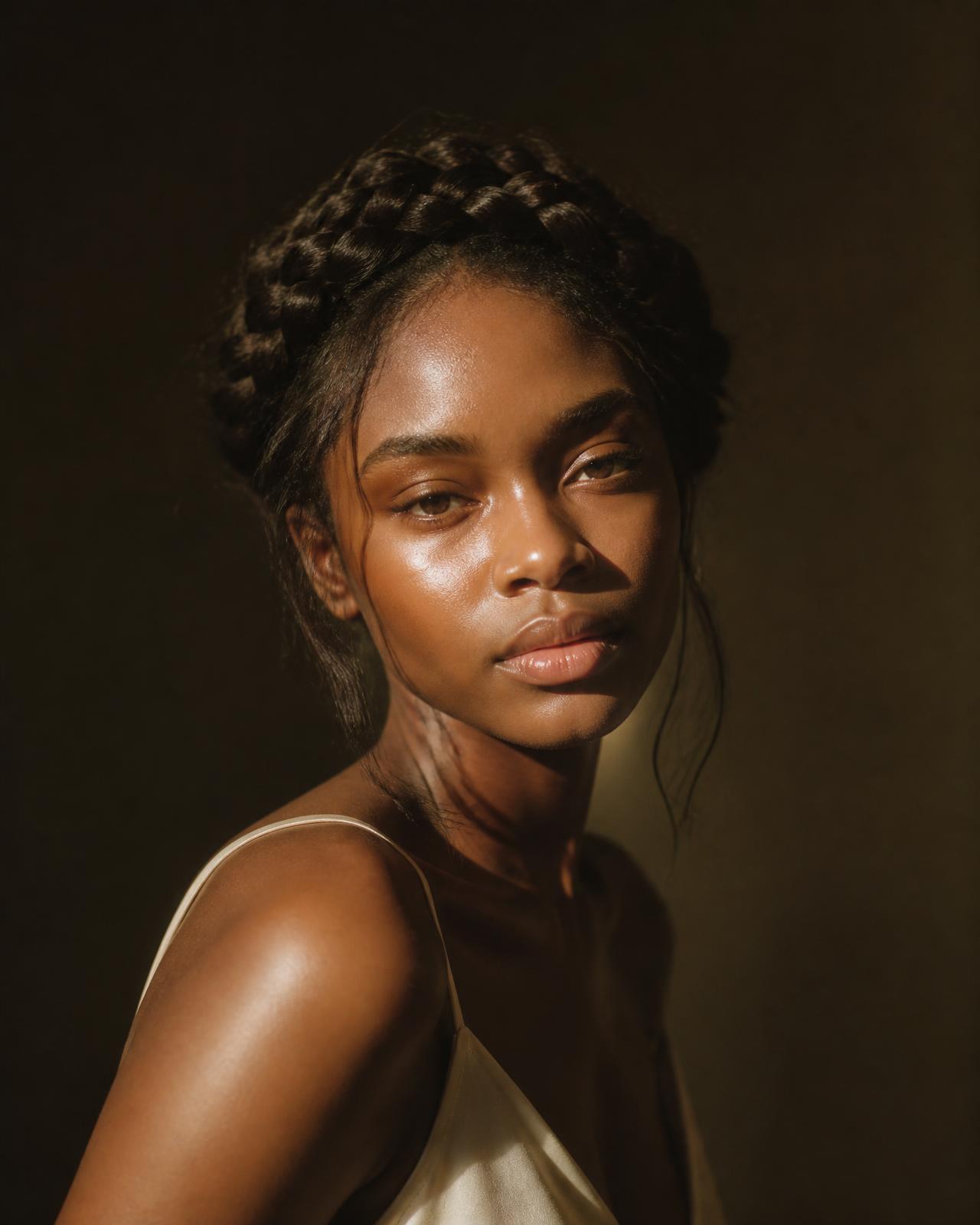
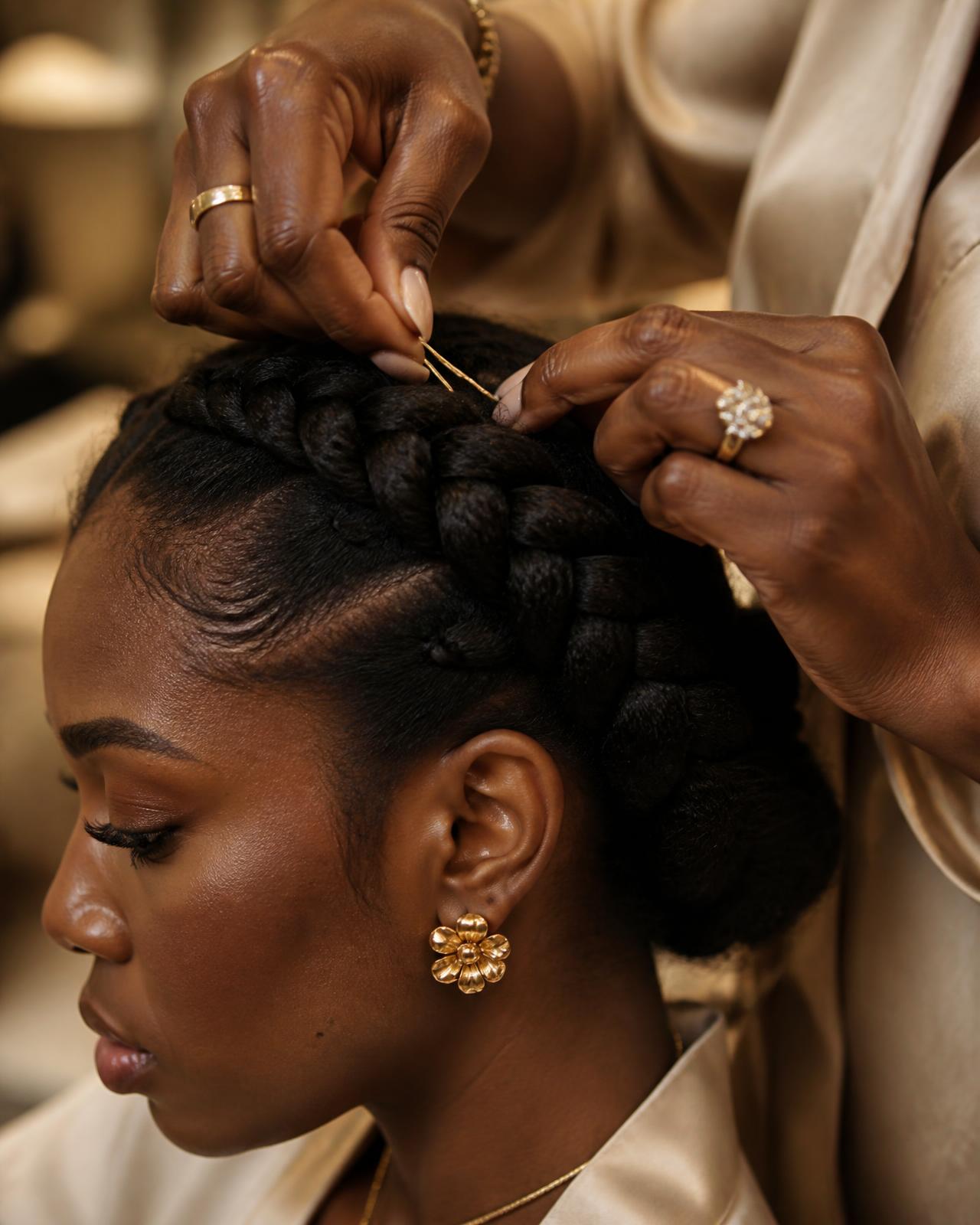
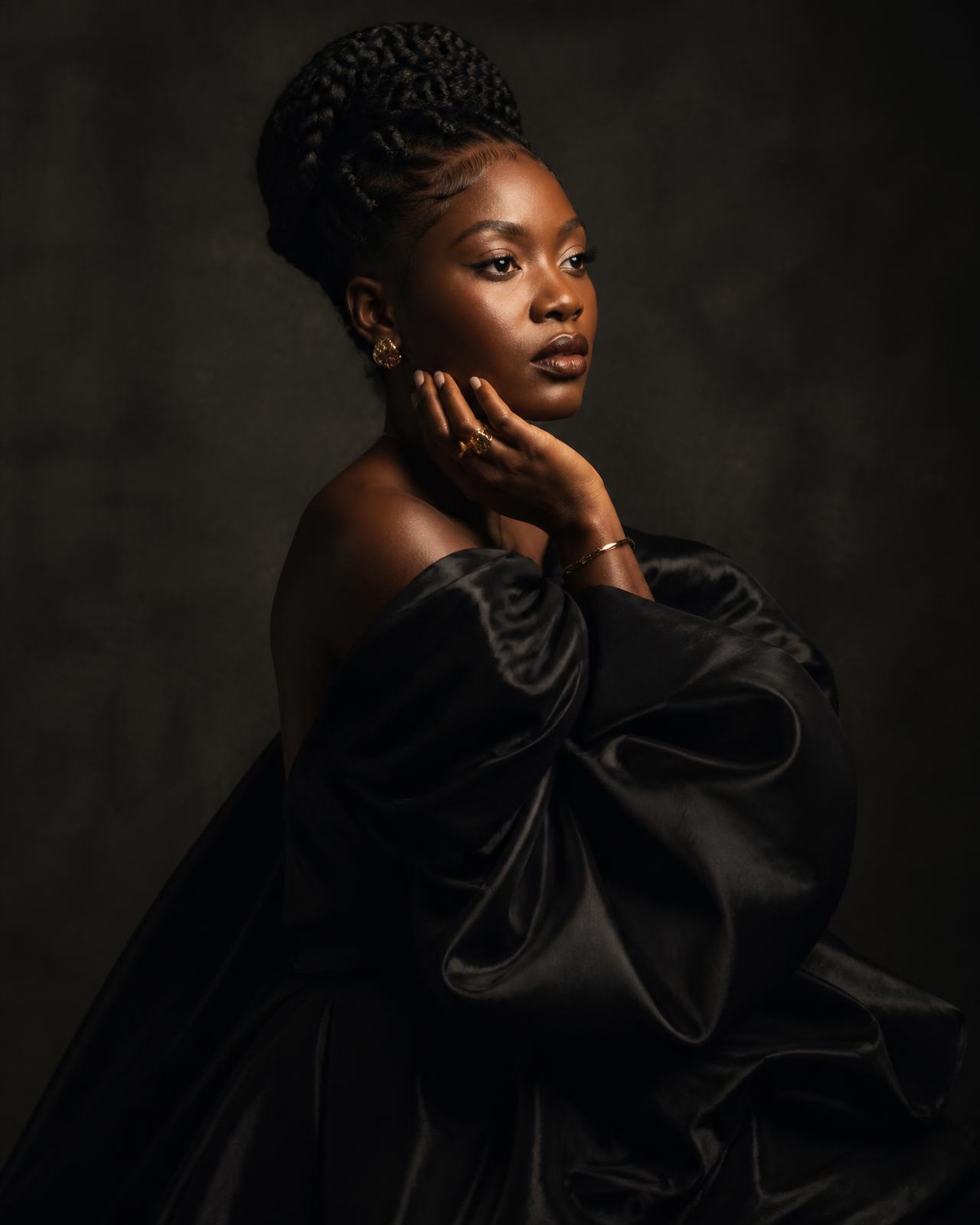
The new braid is softer at the hairline, wider through the body, and allowed to lose a little of itself over the week. Stylists are braiding for movement rather than permanence. Fashion houses are sending it out with bare skin and one earring instead of full ornamentation. It photographs like a portrait, not a hairstyle.
There is also a health argument, and I make it every time. Braids were never meant to hurt. Tension at the temple is not craftsmanship, it is damage with good lighting. The romantic braid — braided away from the scalp, sealed with oil rather than glue-tight tidiness — is the version that lets hair come out stronger than it went in.
And it is grown. That is the word I keep returning to. A grown woman wearing a crown braid is not performing youth or tidiness. She is wearing something inherited, worn a little loose, entirely hers.
“A braid should never hurt to be beautiful.”
Kiyah Wright
Chapter II — The New Rules
Softer, less perfect, more grown — in practice.
01
Tension is a decision
The 2026 braid is braided away from the scalp, not into it. Softer tension reads romantic on camera and protects the hairline in real life.
02
Leave something out
Two tendrils at the temple, a curl at the nape. What escapes the braid is what makes the braid look like a woman rather than a technique.
03
Let it grow into itself
Day one is neat. Day four is beautiful. The resurgence is really an appreciation for the way a braid settles once it has been slept in.
The Braid Portfolio
Keeping the Crown
A soft braid still needs a disciplined ritual.
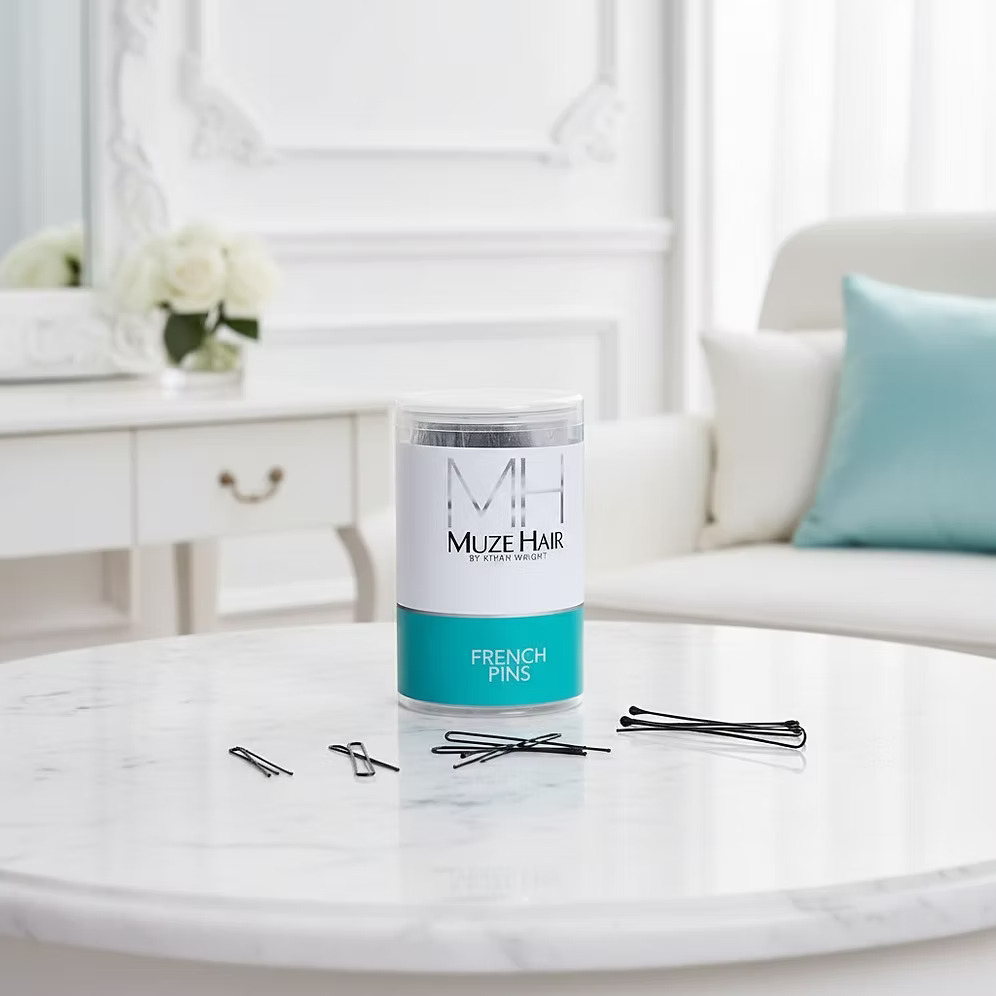
French Pins
Anchor the crown without tension. Pins hold placement; elastic holds hostage.
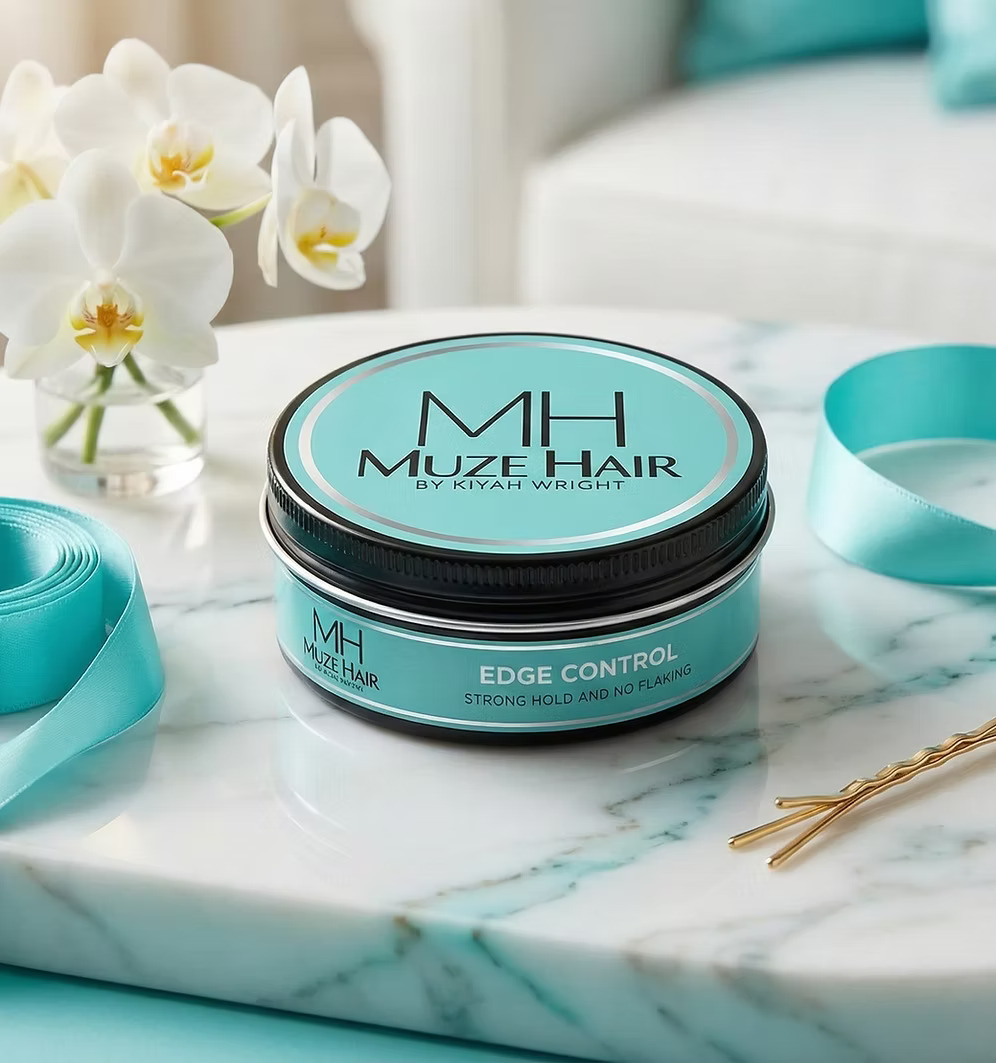
Edge Control
Direct the hairline, do not glue it. The edges should still move when you do.
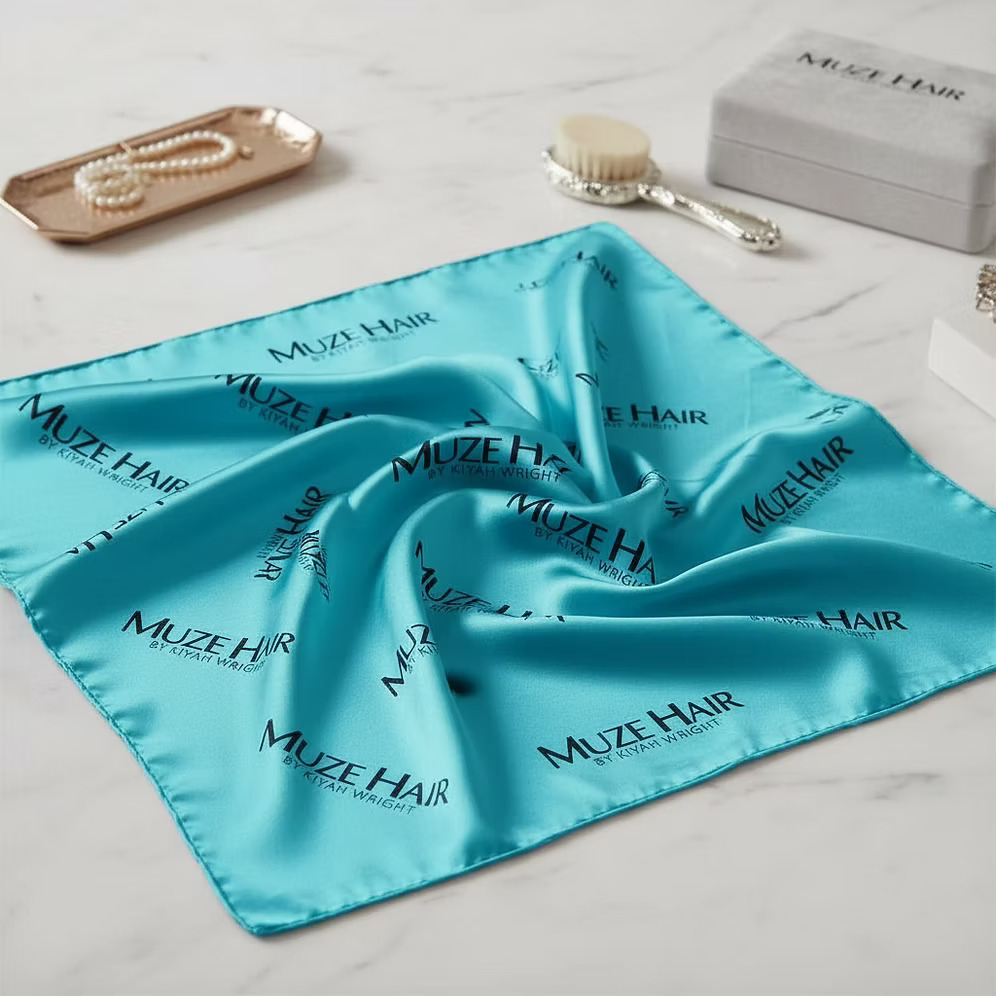
Satin Crown
Sleep protects the braid. Friction is what turns week two into frizz.
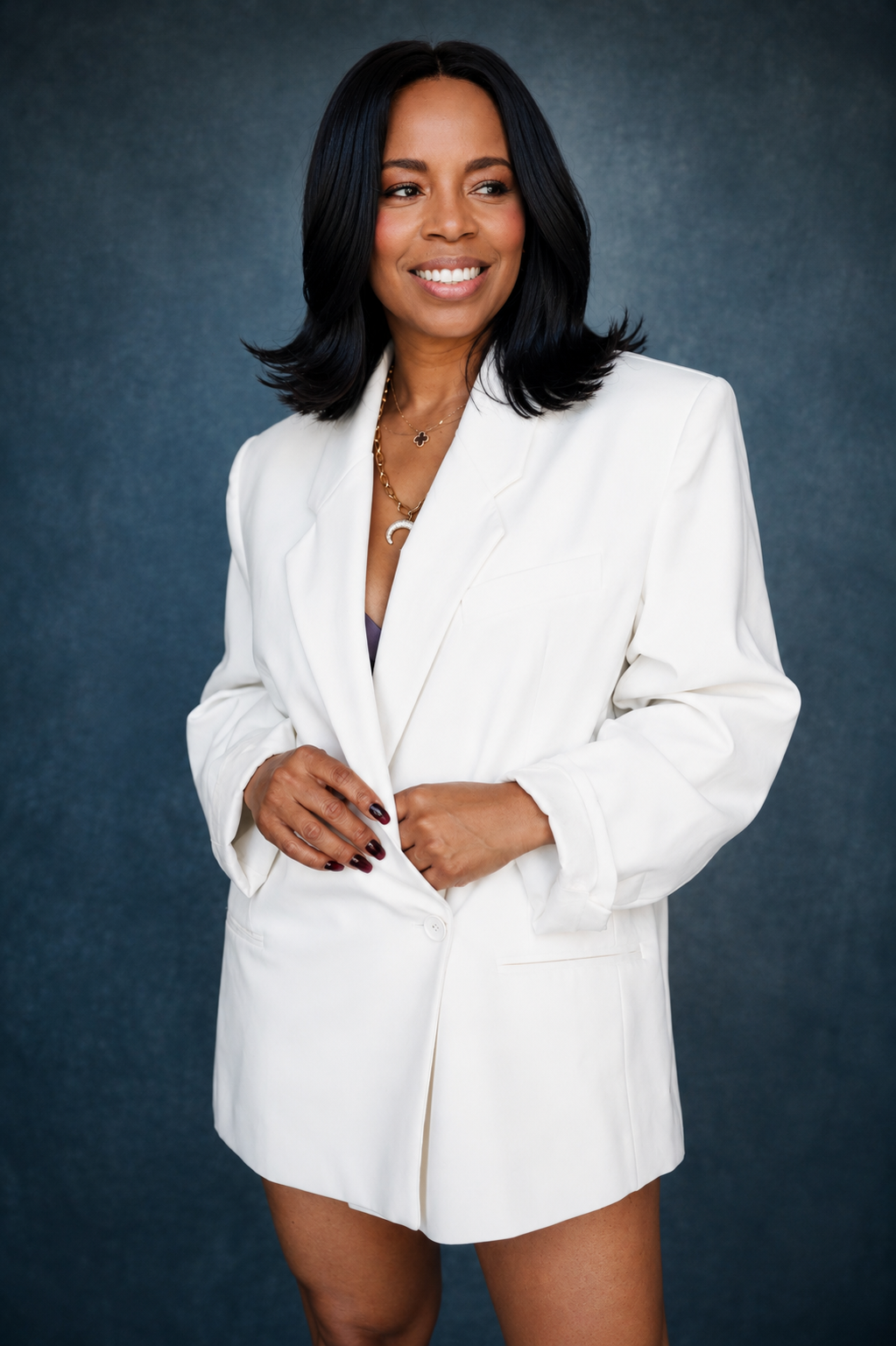
From the Founder
“I learned to braid before I learned to blow dry. Every braid I place is somebody's grandmother's hands showing up in mine.”
Kiyah Wright · Founder, MUZE
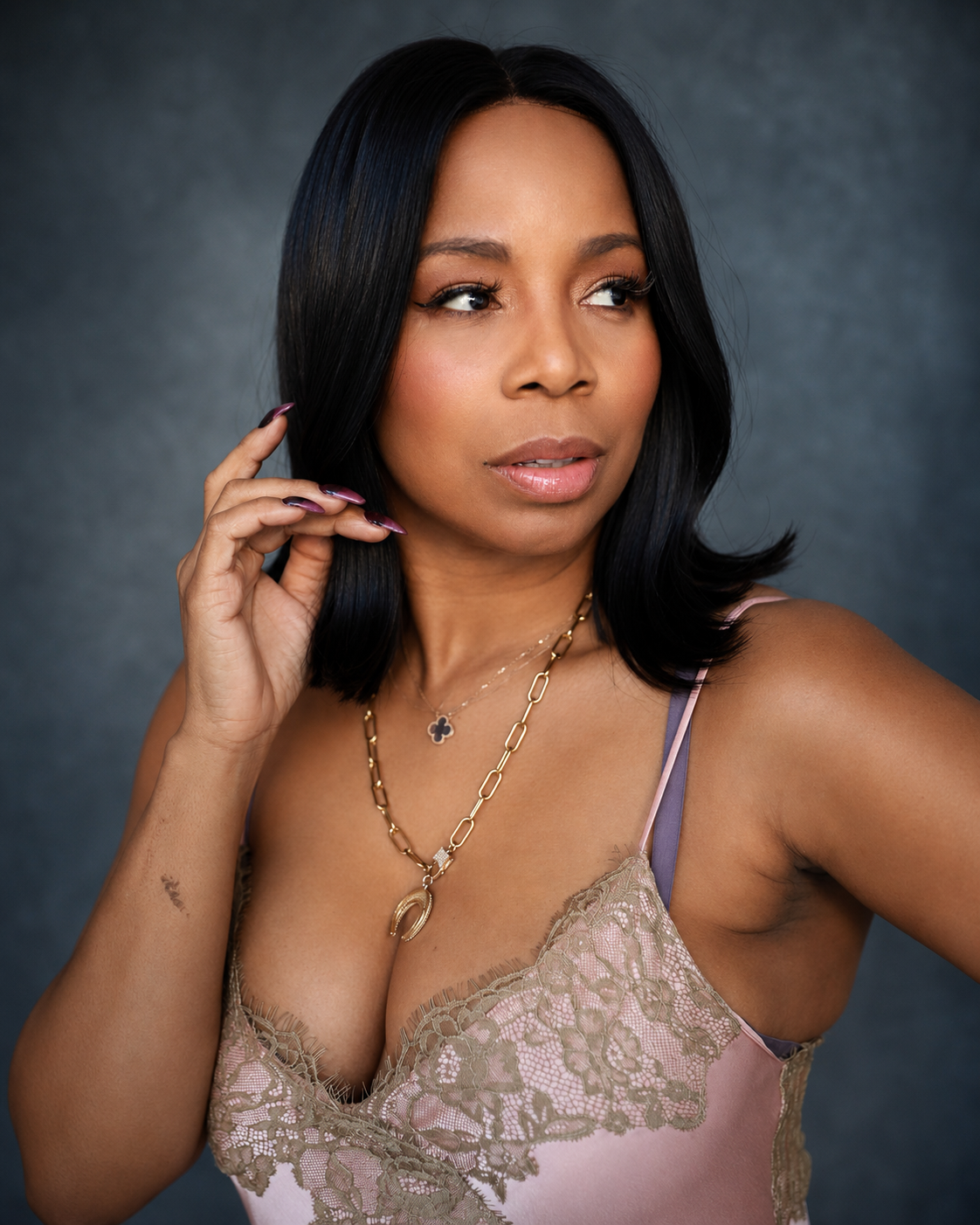
The Last Word
A crown is not something you tighten.
It is something you wear.
The Series
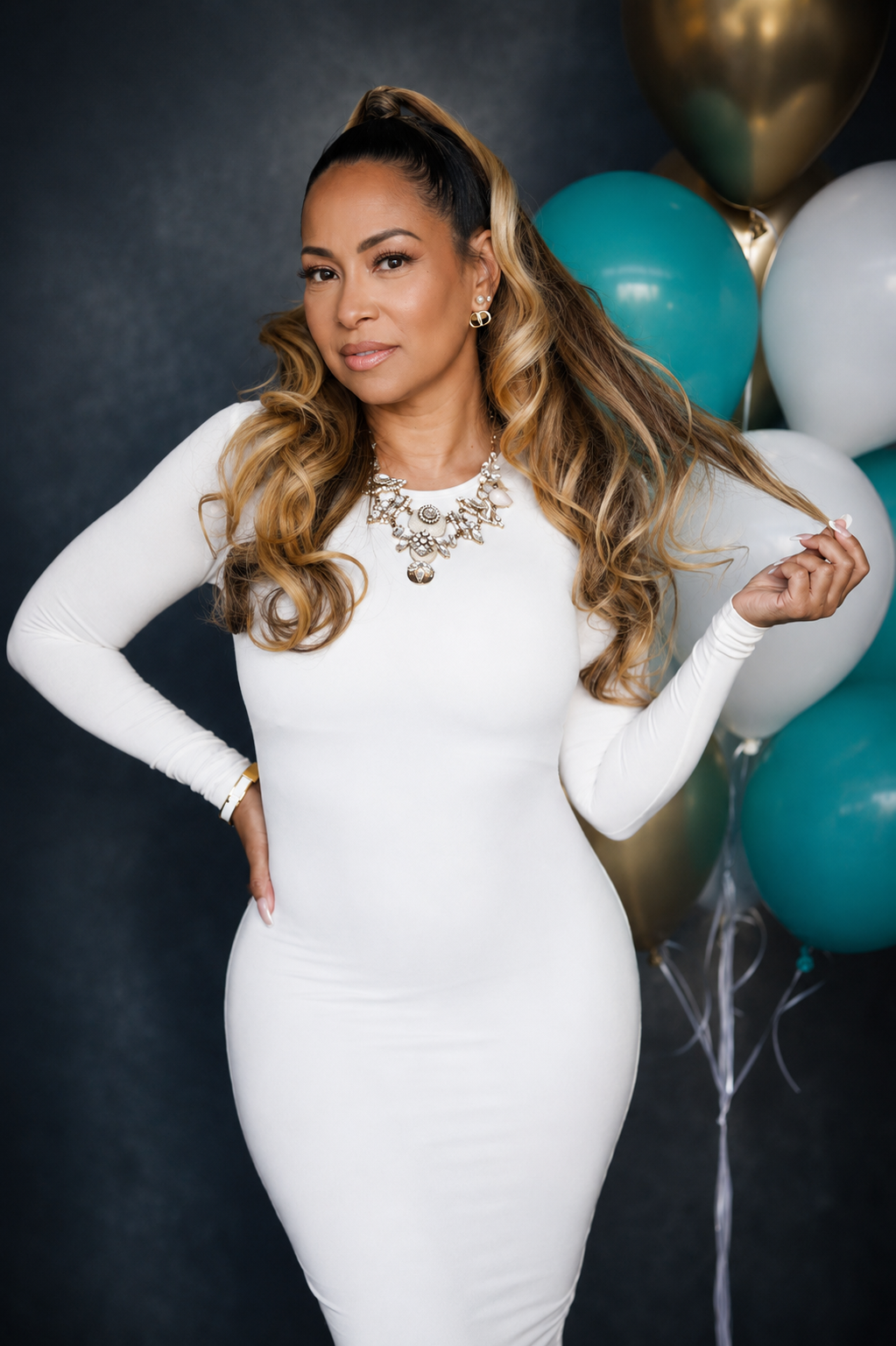
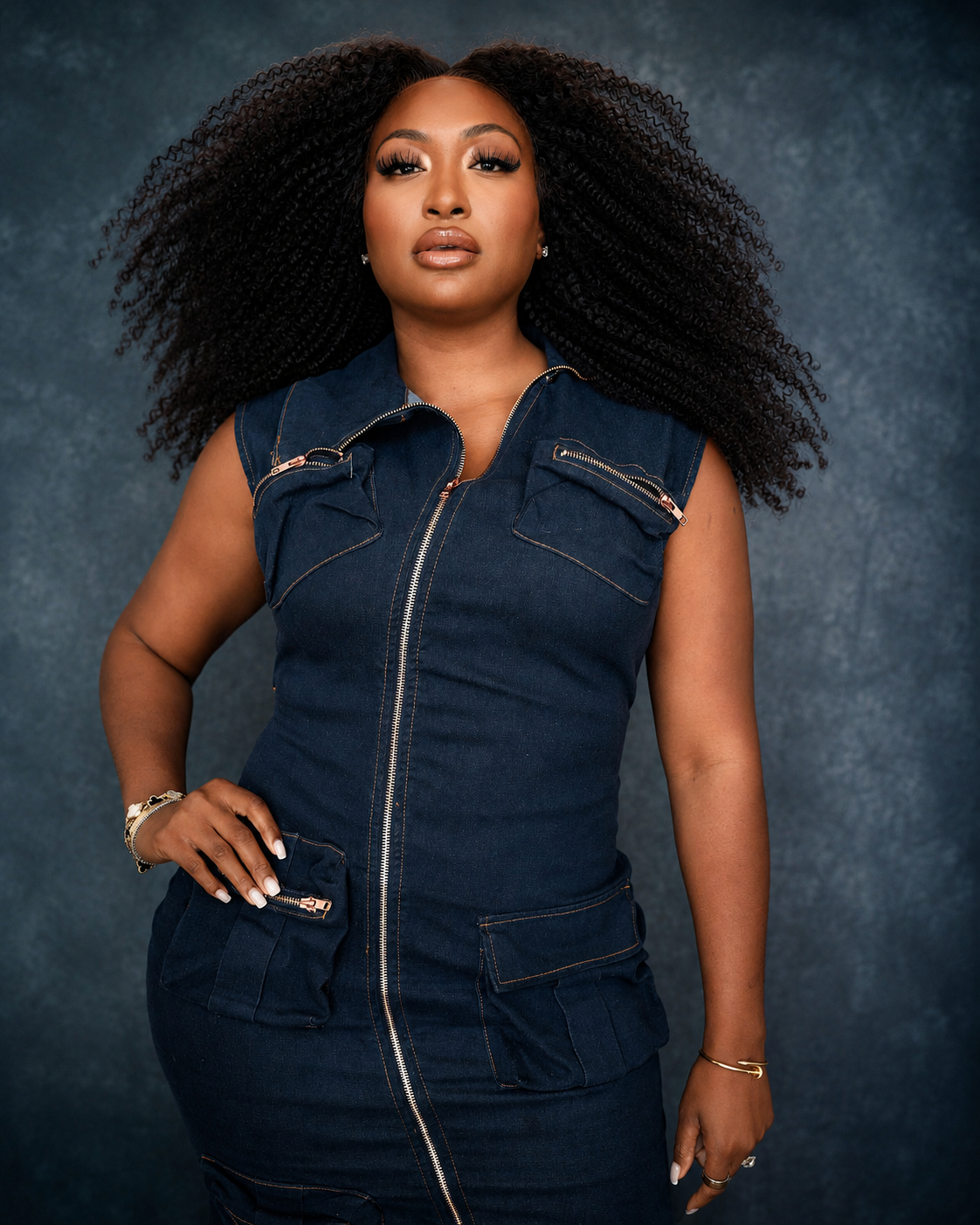
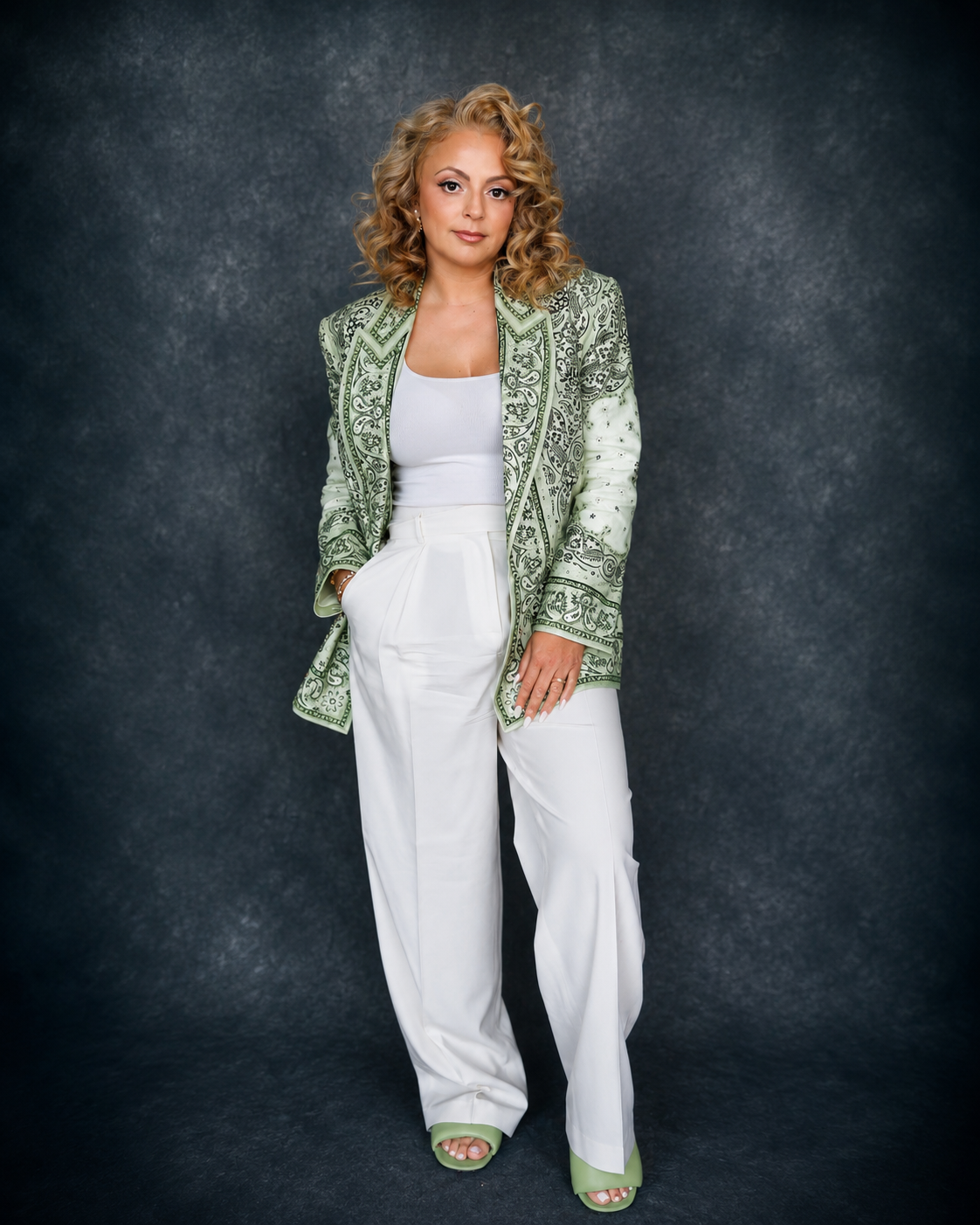
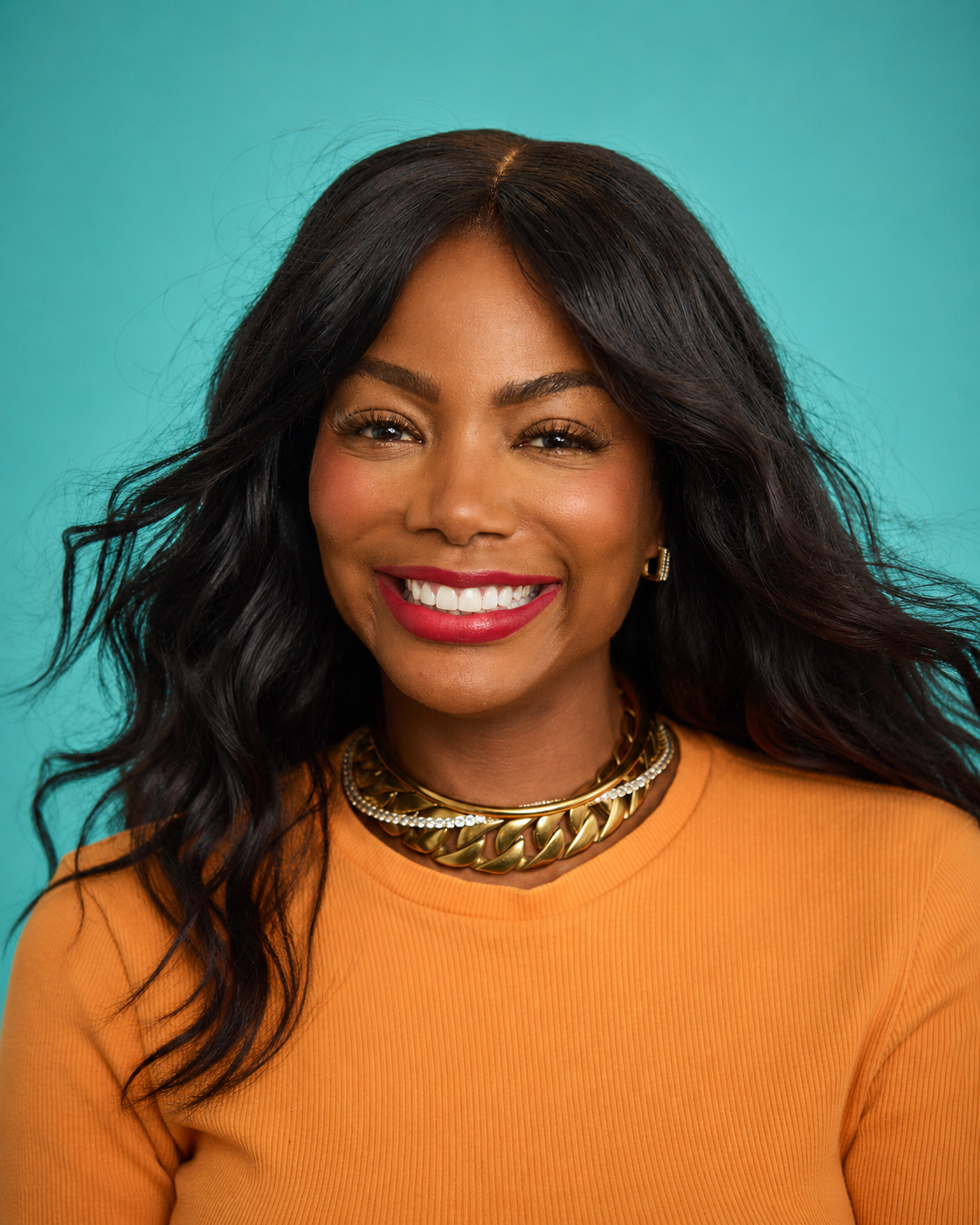
Women of MUZE.
A recurring journal series profiling women whose style, leadership, artistry, and personal stories inspire modern beauty culture — entrepreneurs, artists, executives, tastemakers, cultural leaders, beauty innovators.
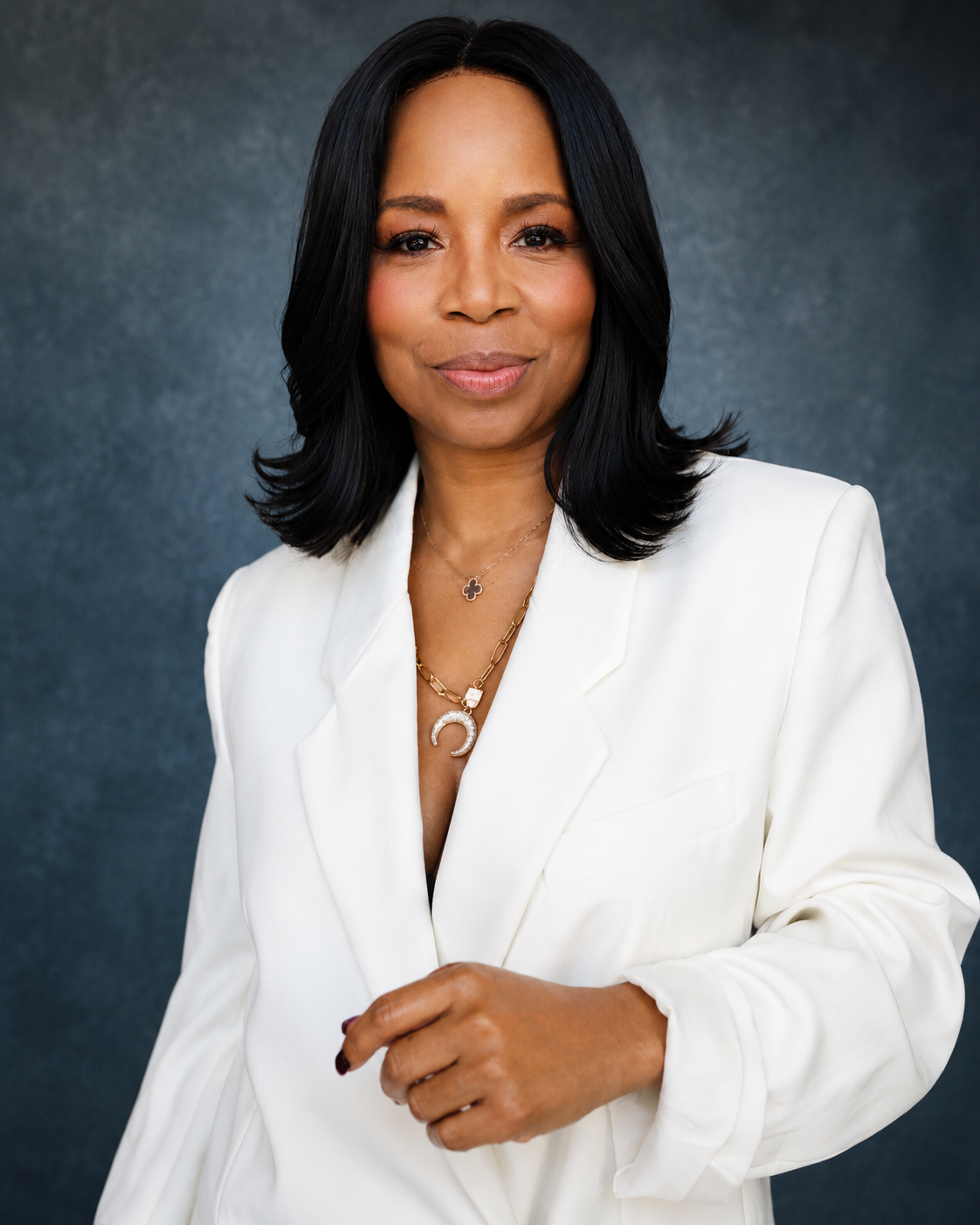
Submissions
Nominate a Woman of MUZE.
Tell us about a woman whose presence has shaped the room you stand in.