The Journal · National Black Business Month
The Business
Behind MUZE.
Ownership is the most beautiful thing we make.
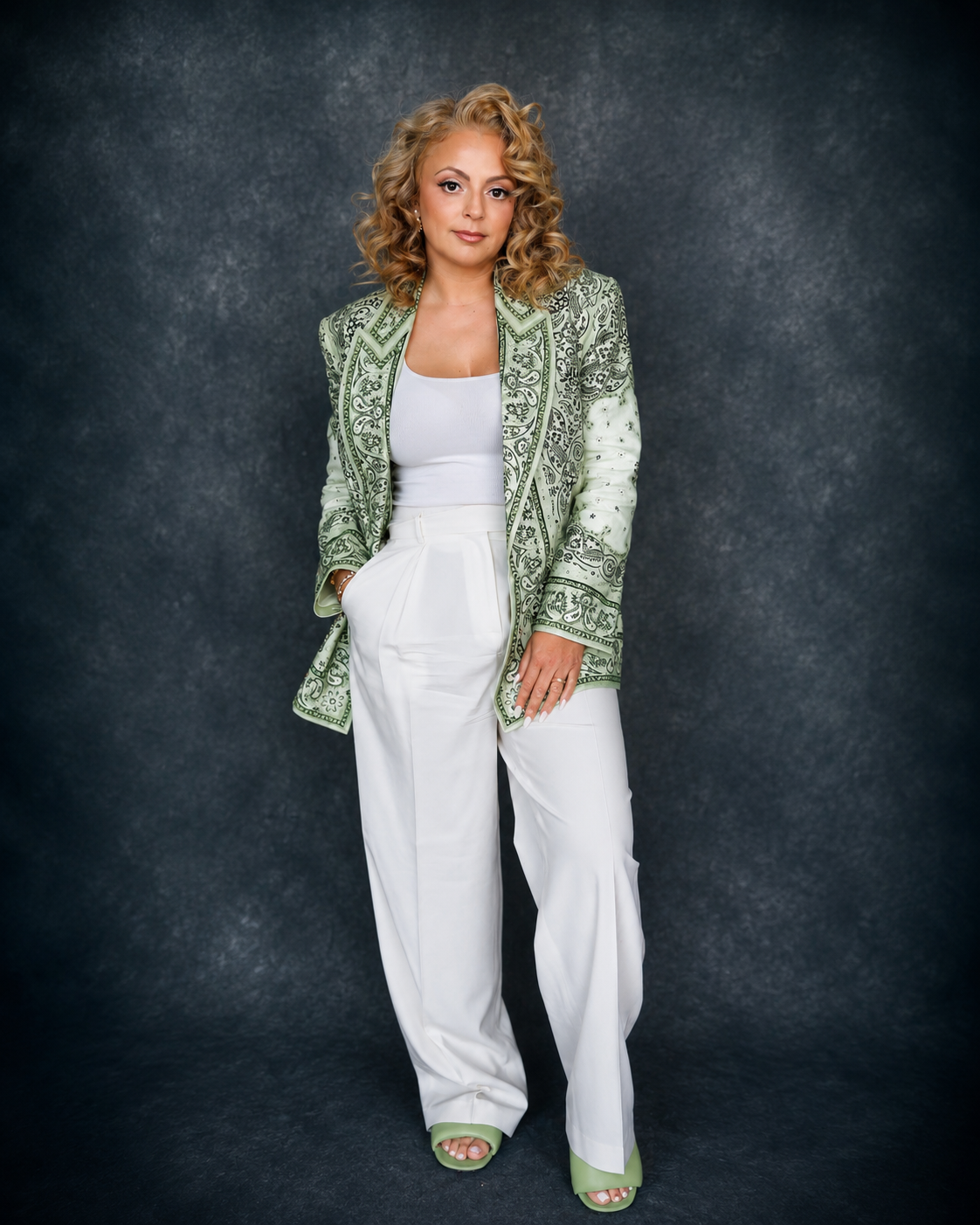
Words by Kiyah Wright · Founder, MUZE
Chapter I — The Occasion
August is a celebration. The rest of the year is the work.
National Black Business Month arrives with campaigns and carousels, and I am grateful for every one of them. But a business is not a month. It is a supply chain, a payroll, a formula sheet, a standing client, and a thousand quiet decisions nobody photographs. So this year, instead of a tribute, we are opening the doors.
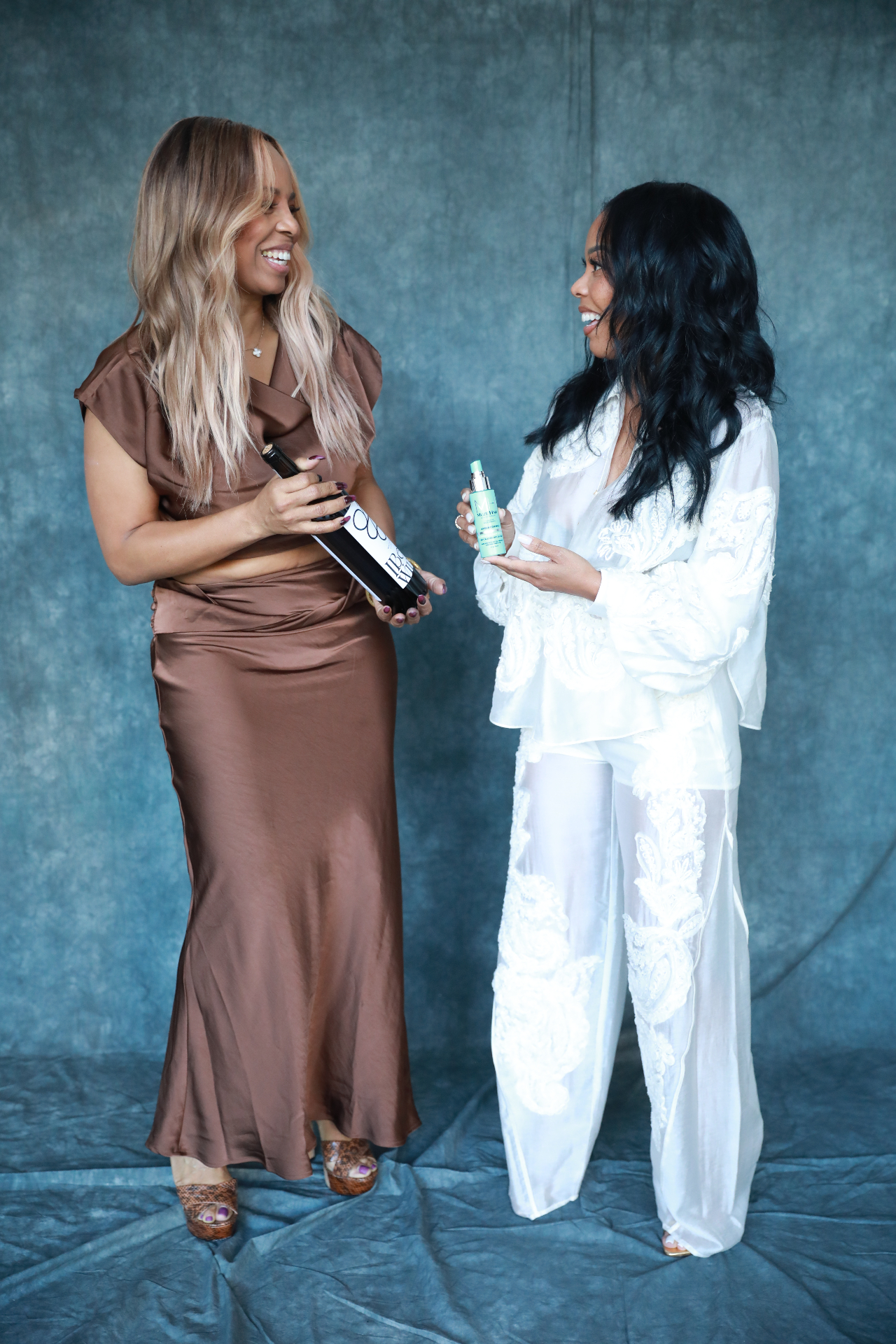
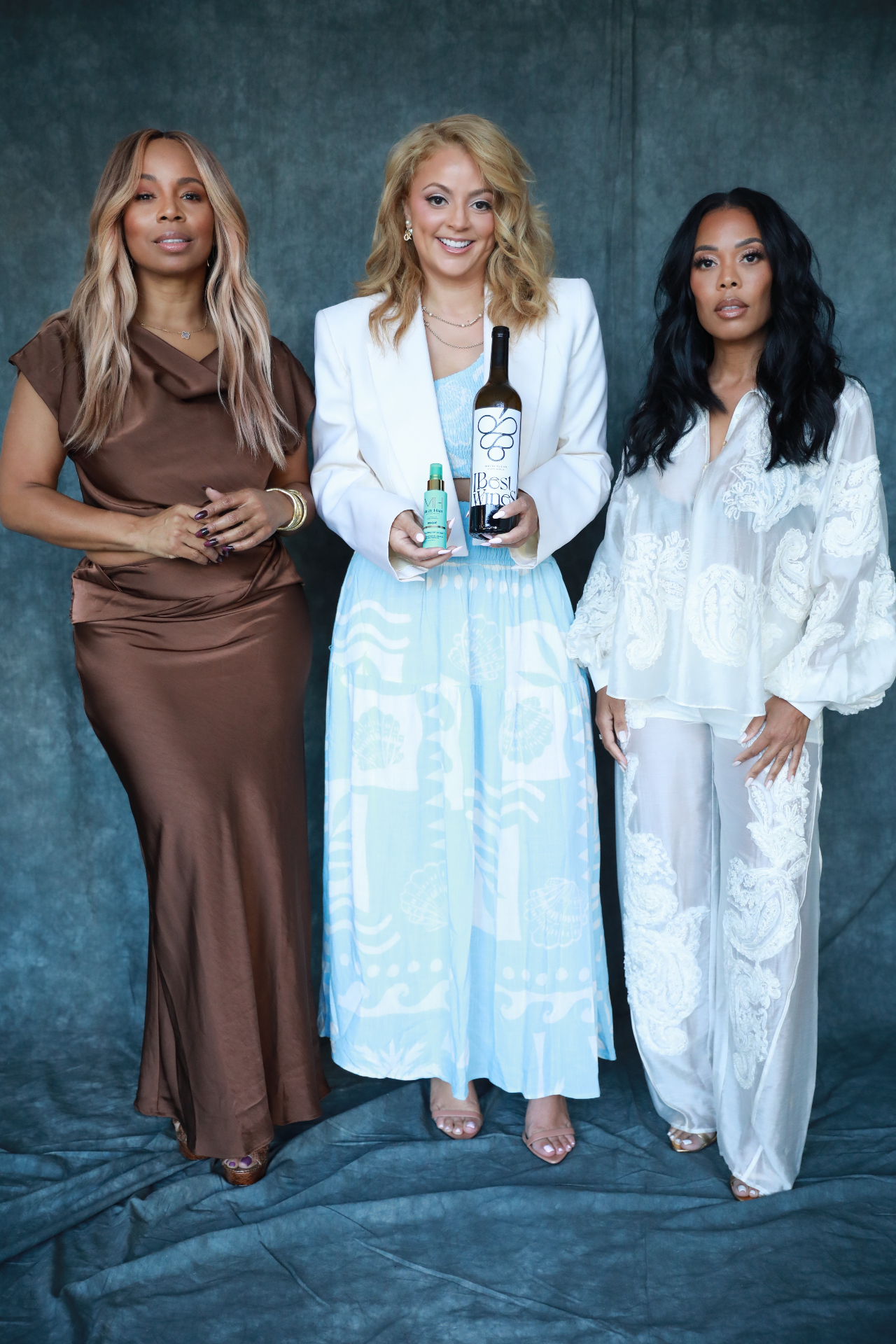
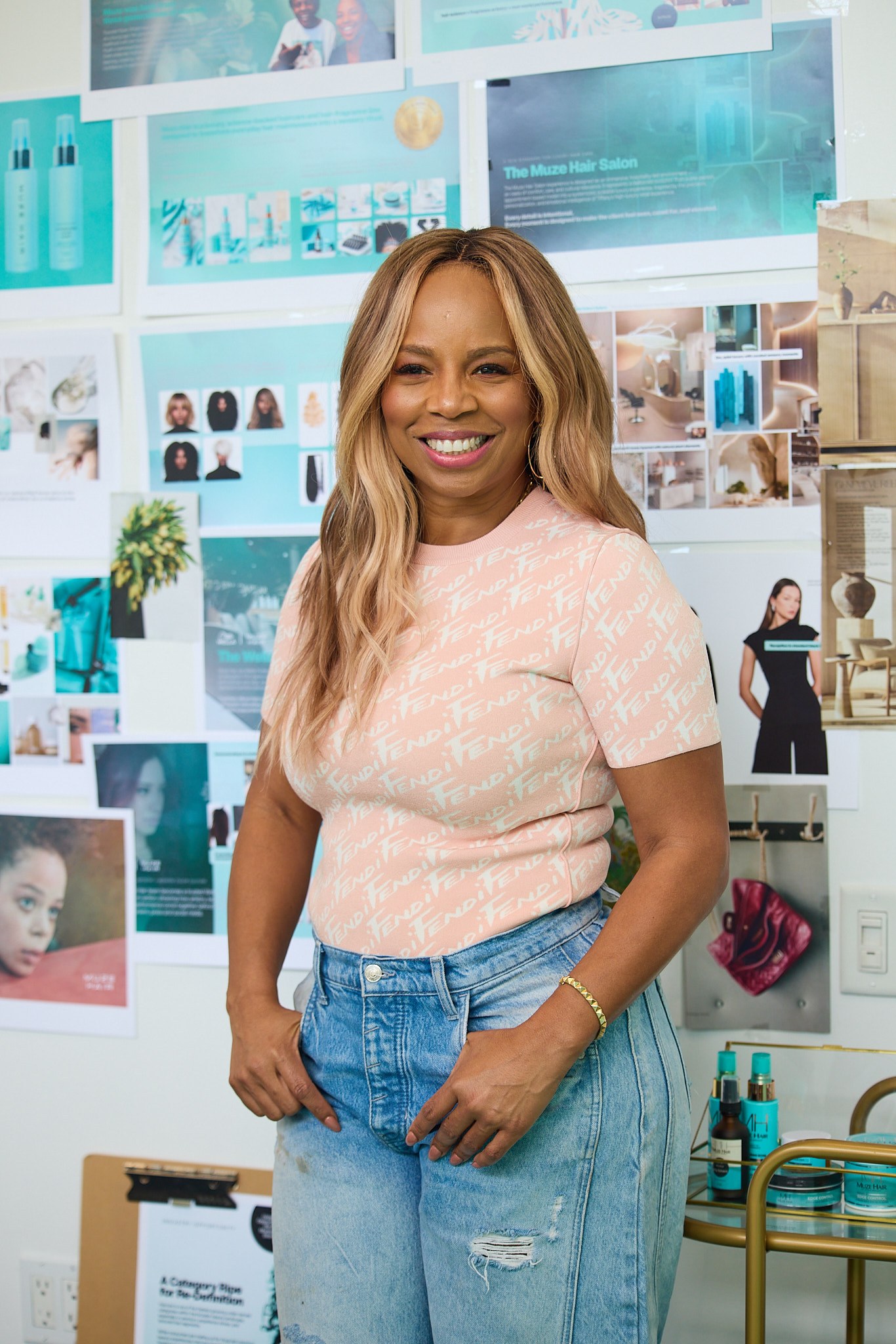
Founders in conversation · MUZE
The Business Issue
The Feature
The beauty industry has always been built on our hair. Our texture, our techniques, our references, our language. What it has rarely been built on is our ownership. For most of my career, the woman who invented the method was not the woman who held the patent, and the hands that made the look were not the hands that priced it.
MUZE exists to correct that arithmetic in one small, specific place. Not as a statement — as a business. We own the formulas. We choose the manufacturers. We set the price and defend the margin, because margin is what allows a company to survive a bad quarter without selling the thing that makes it itself.
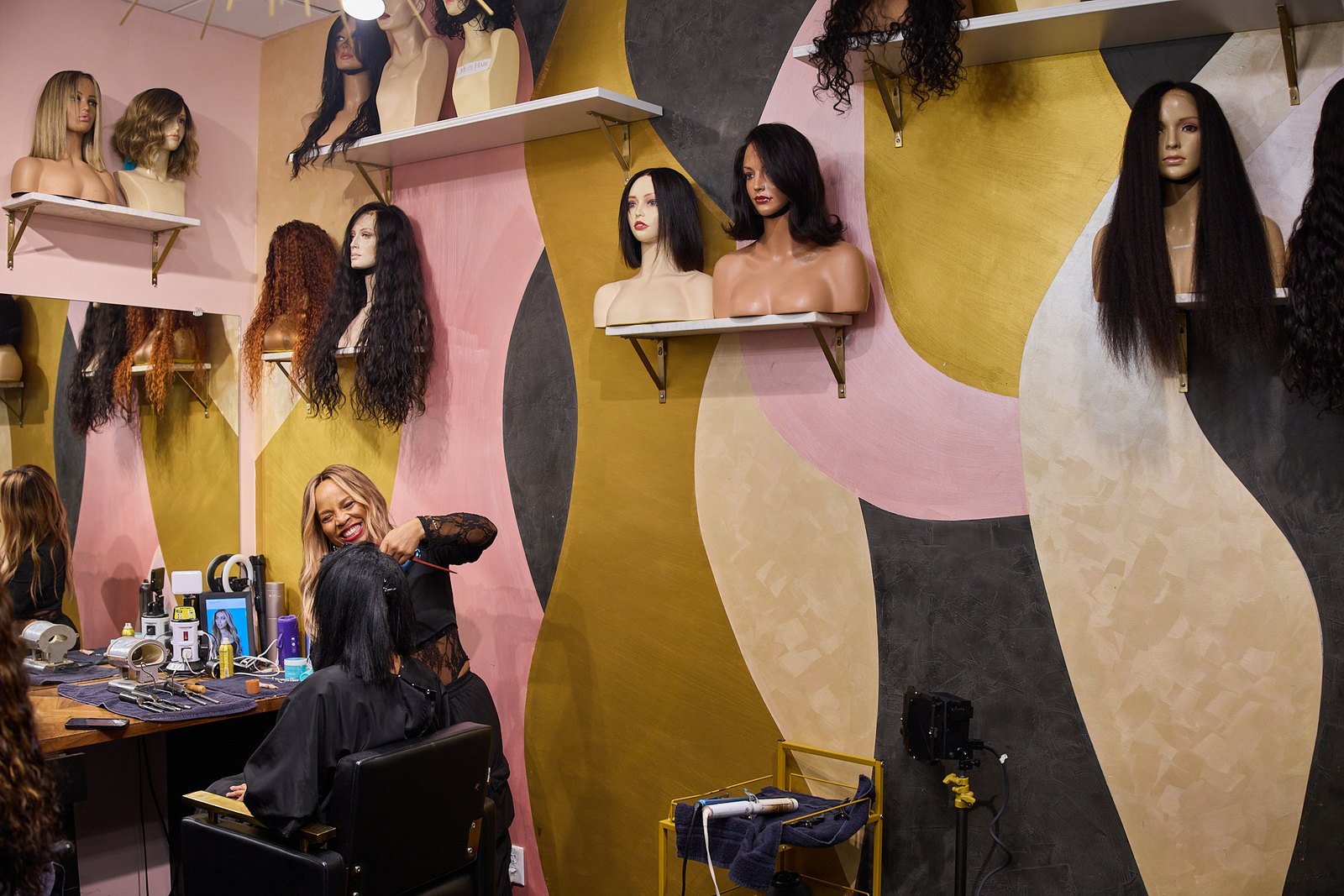
People love the origin story: stylist to Emmy to founder. What they skip is the capital question. There was no fund waiting for a Black woman with a professional haircare idea. The first production run was financed by the chair — by decades of appointments, referrals, and a reputation I protected like inventory. That is how most Black businesses are still built: revenue first, permission never.
The hardest lesson was that excellence is not a growth strategy on its own. You can be the best in the room and still be a line item in someone else's brand. Distribution, formulation, packaging, shipping — the unglamorous middle of the business — is where ownership actually lives. I had to learn to love spreadsheets the way I love sculpting a silhouette.
And I had to learn to build with other founders instead of beside them. The women I trade numbers with — manufacturers, margins, hard failures — have made me more money than any campaign. Black business has always been a network before it was a market. We share the map because someone shared it with us.
So celebrate us in August. Then buy in September. Restock in November. Refer us in February. A month of visibility is lovely; a year of revenue is what builds a house that outlives its founder. That is the only legacy metric I care about.
“The industry was built on our hair. This time, we are building the house too.”
Kiyah Wright
Chapter II — The Principles
Four principles the company is built on.
01
Product, not proximity
A Black-owned business does not want to be adjacent to luxury. It wants to make it. Everything at MUZE begins with formulation and finish, not access.
02
Own the formula
Licensing your name is a fee. Owning your formula is equity. We chose the slower, harder path of controlling what is actually in the bottle.
03
Hire the room you came from
Chemists, photographers, editors, salon partners. Growth that does not employ your own community is not growth — it is extraction with better lighting.
04
Build for the long shelf
Trend cycles are cheap and brief. We build products a woman repurchases for a decade, because repeat purchase is the only sustainable capital we control.
Chapter III — The Ledger
What actually built the brand.
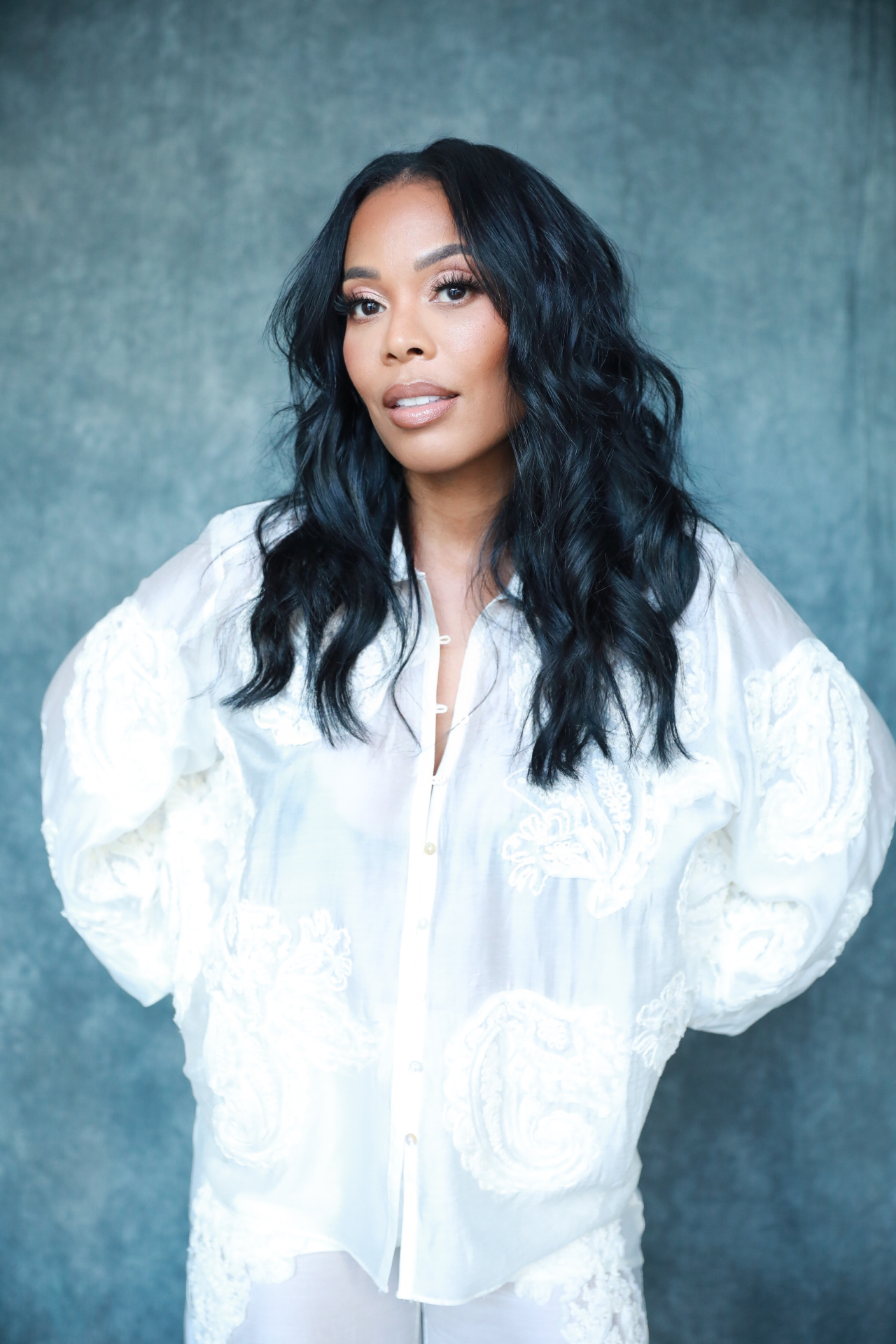
- The salon chair
- Twenty years of standing appointments funded the first production run. There was no seed round — there was a client list and a reputation held to the letter.
- The formulation lab
- Every MUZE product is developed against professional standards first. If it cannot survive a fourteen-hour set, it does not earn a label.
- The supply chain
- Ownership means knowing your manufacturer's name and calling them yourself. Control of the chain is control of the quality.
- The community
- Stylists, salon owners, and founders who share suppliers, referrals, and hard numbers. Black business has always been a network before it was a market.
Founder notes · August 2026
The Ownership Portfolio
Chapter IV — The Shelf
Three products we own, end to end.
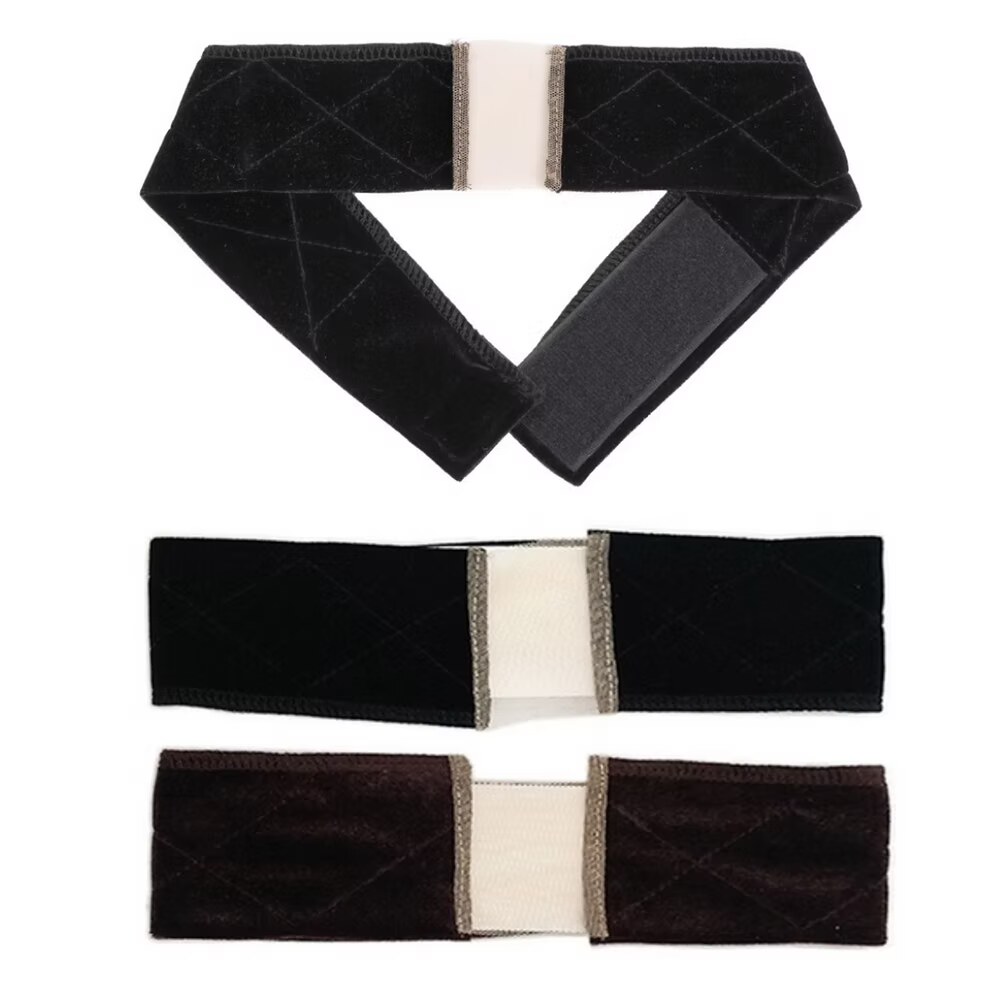
Lace Grip Band
The first product we made — because the professional solution I needed on set did not exist to buy.
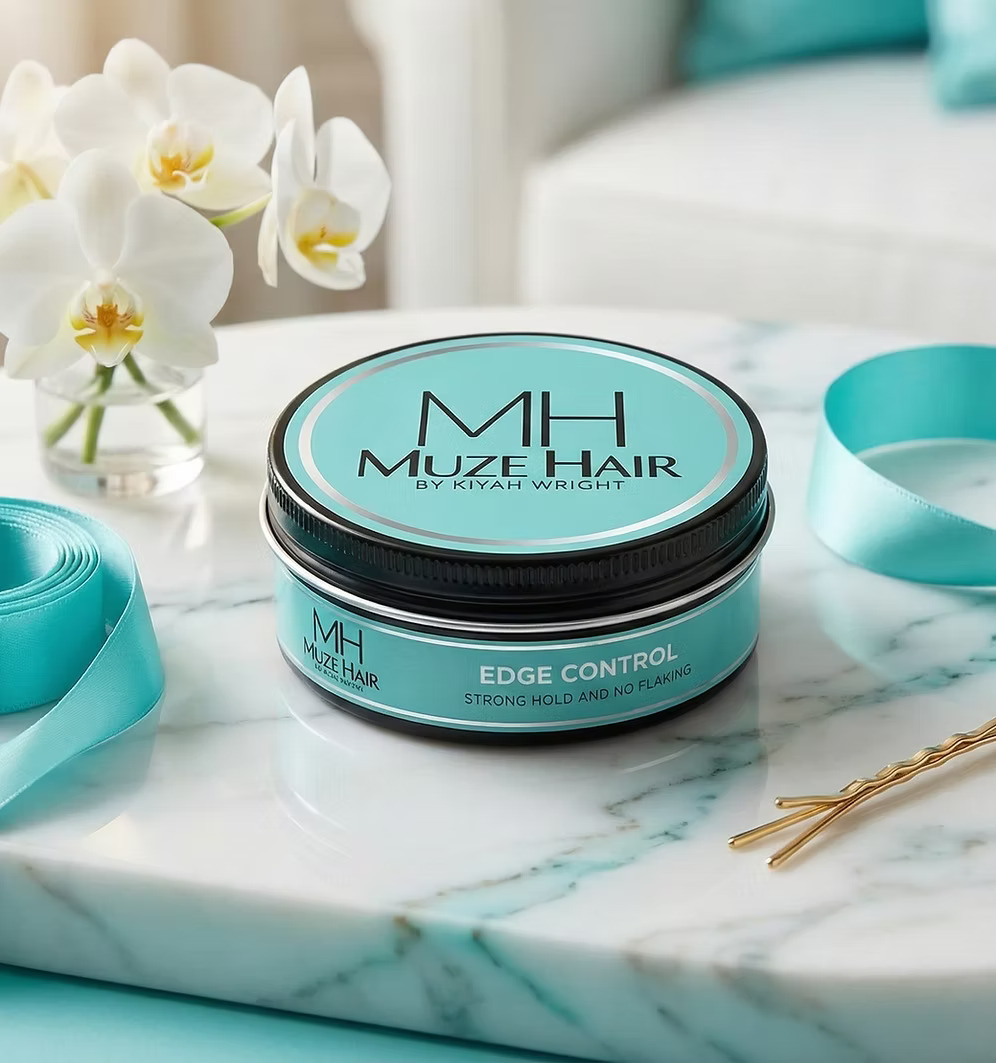
Edge Control
Formulated for our own texture first, at a finish that holds under studio light without residue.
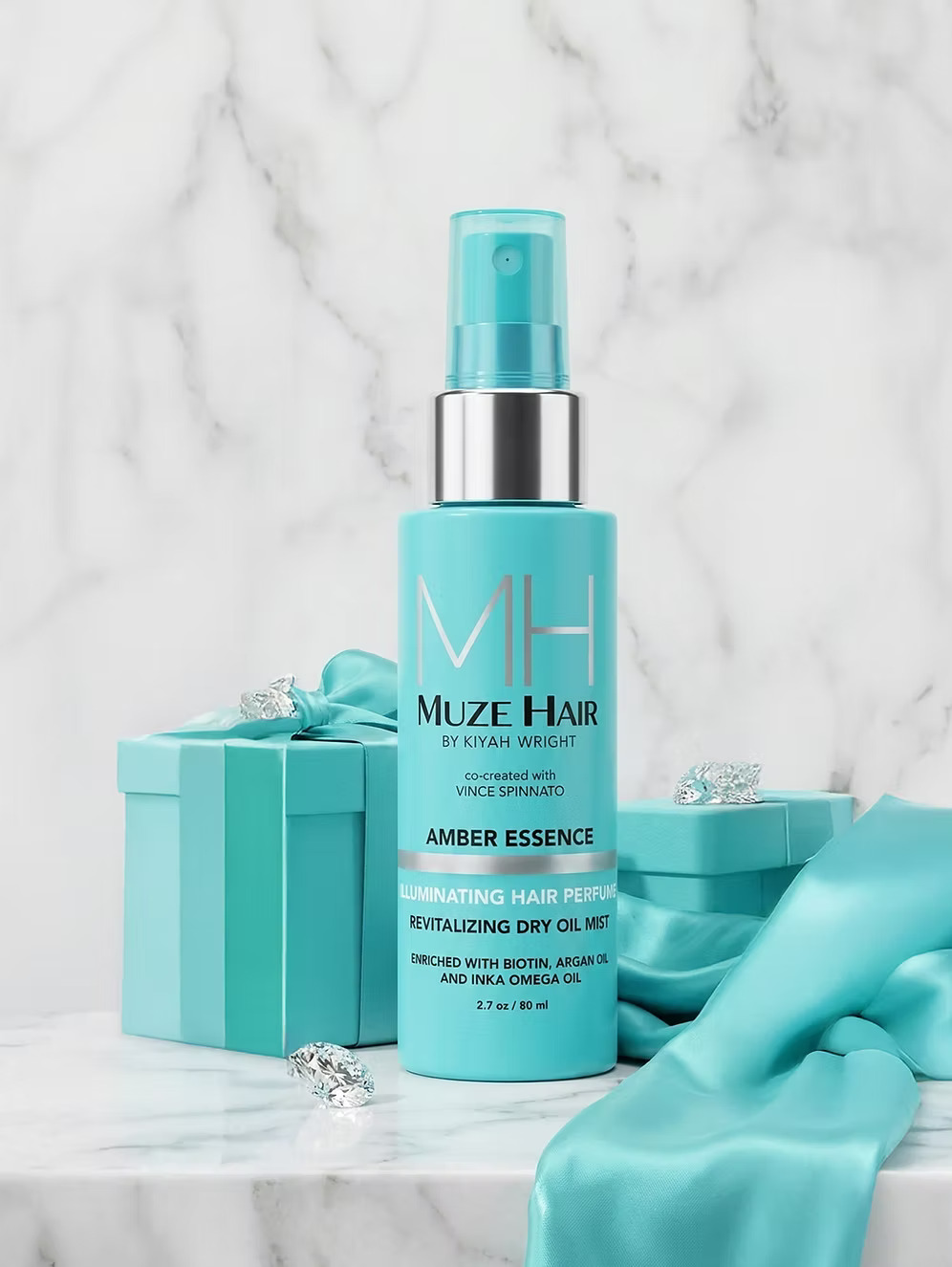
Amber Essence
The signature finish. Proof that a Black-owned house can set the standard for luxury, not follow it.
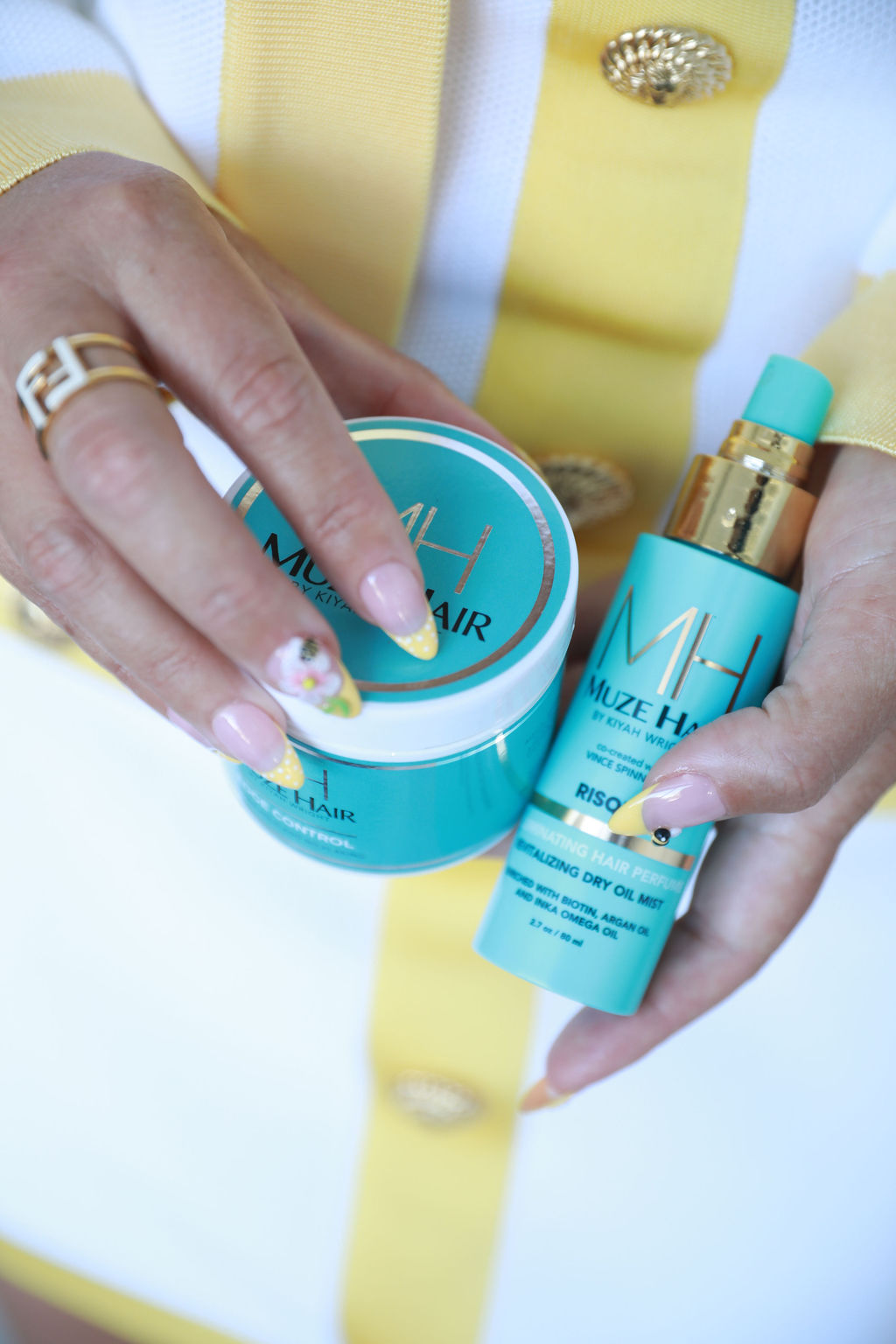
Still life · Owned, formulated, finished

From the Founder
“Celebrate us in August. Then buy in September, restock in November, and refer us in February. Revenue is the most sincere form of support.”
Kiyah Wright · Founder, MUZE
The Last Word
Black business is not a moment.
It is an inheritance in progress.
The Series
Women of MUZE.
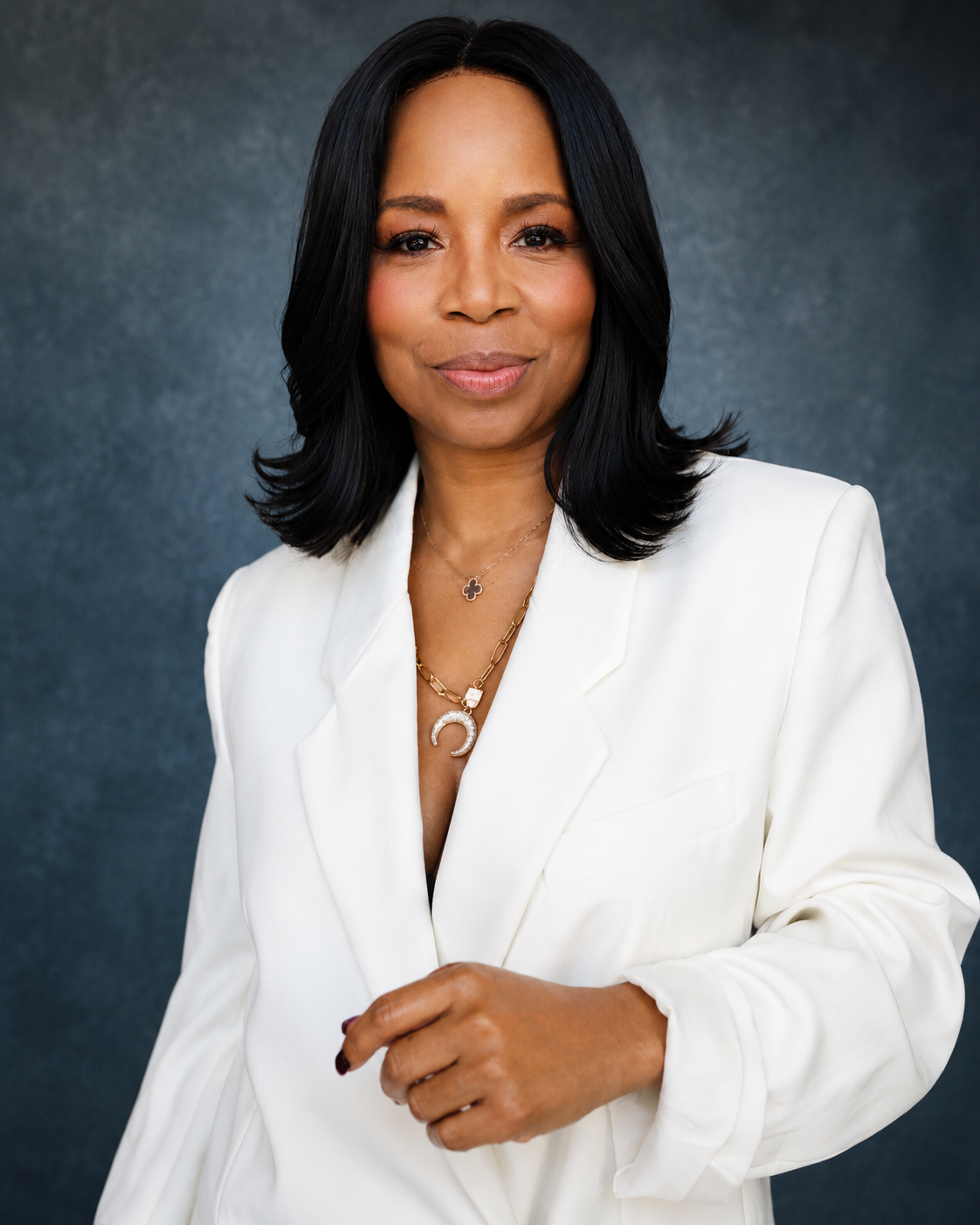
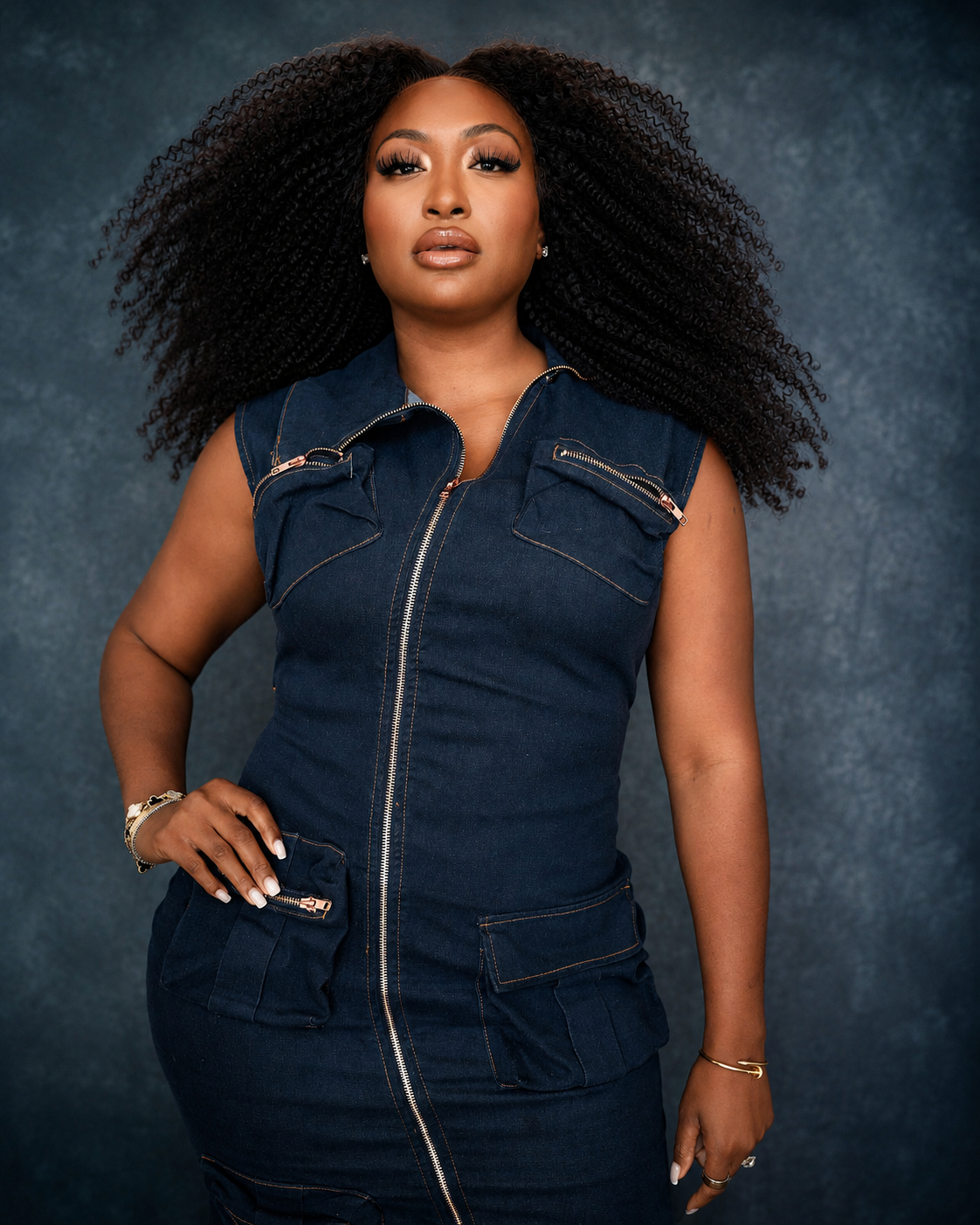
A recurring journal series profiling women whose style, leadership, artistry, and personal stories inspire modern beauty culture — entrepreneurs, artists, executives, tastemakers, cultural leaders, beauty innovators.


Submissions
Nominate a Woman of MUZE.
Tell us about a woman whose presence has shaped the room you stand in.